Nike board adds LVMH heir Alexandre Arnault
Nike appoints Alexandre Arnault, deputy CEO of Moët Hennessy and LVMH heir, to its board as the sportswear giant seeks to revive its brand and financial
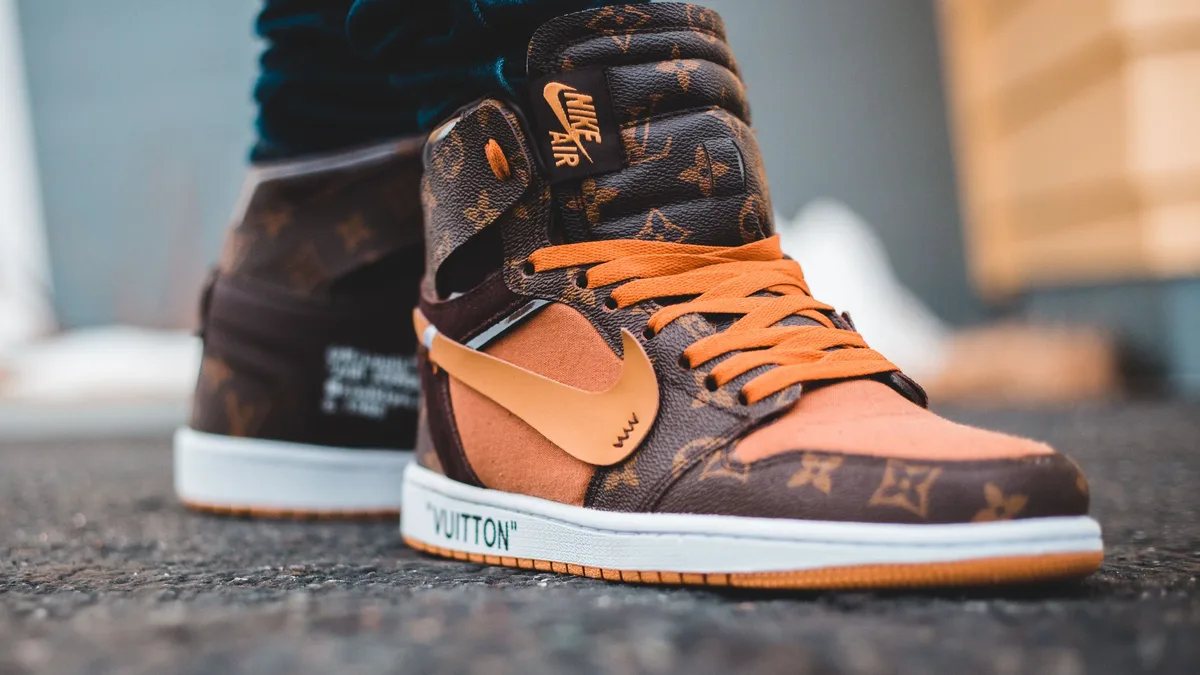
Nike has appointed Alexandre Arnault, deputy CEO of Moët Hennessy and an heir to the LVMH luxury empire, to its board of directors. The move, announced on September 16, gave investors a reason for optimism as the company's stock traded nearly one per cent higher overnight.
Nike executive chair Mark Parker stated that Arnault had earned a reputation for helping iconic global brands evolve and would bring a fresh perspective. Arnault, a self-described lifelong Nike fan, said he was excited to contribute. The appointment comes during a difficult period for the retailer, which reported a two per cent constant-currency revenue decline for fiscal 2026, bringing its total to $46.4 billion. The company's stock has fallen about 80 per cent from its 2021 peak, leading to its removal from the S&P 100 index on September 21.
Analysts assess the strategic fit
Retail consultant Christine Russo views the appointment as a positive step, particularly for investors. She contrasted the current intrigue with the divided reaction to the appointment of CEO Elliott Hill in October 2024. Since Hill's appointment was announced, Nike's stock has fallen approximately 53 per cent.
Russo argued that the Arnault name brings external governance from a family skilled at handling complex consumer markets. Frankie Margotta, strategy director at Triptk, agreed, calling it a smart move that complements Hill's existing turnaround plan. Margotta said Arnault's value lies in his proven ability to evolve brand strategy, having worked on similar challenges at Rimowa and Tiffany & Co.
The core challenge: product and desire
Analysts uniformly stress that boardroom changes alone cannot fix Nike's problems. Deanna Andersen, co-founder of advisory firm Wade, said it would be cynical to assume Nike appointed Arnault solely for his luxury pedigree. She pointed to his track record of reviving brands through product discipline and bold decision-making.
Andersen noted Nike's problem was not product quality but a company that stopped taking risks and relied too heavily on discounting. She said if Arnault is allowed to operate as he did at his previous companies, it would signal Nike's seriousness about becoming desirable again.
Barney Stacher, CEO of Retail OCD, offered a welcome but cautious take. He warned that Nike cannot accessorise its way out of a turnaround. Arnault's luxury background may help Nike protect its pricing power and desire, but the core challenge remains giving shoppers a fresh reason to buy.
Financial performance shows the task
Recent financial results highlight the scale of the challenge facing the new board member. The company's full-year revenue decline and stock performance are compounded by struggles in its direct sales channel.
| Metric | Performance |
|---|---|
| Full-Year Revenue (Fiscal 2026) | $46.4 billion (2% decline) |
| Stock Price vs. 2021 Peak | ~80% below |
| Stock Performance since Hill CEO announcement (Oct 2024) | ~53% fall |
| Q4 Nike Direct Revenue | 7% decline |
| Q4 Wholesale Revenue | 4% increase |
Stacher said the quarterly results reinforce the importance of retail partners and meeting shoppers where they choose to buy. He concluded that while an Arnault in the boardroom may add sparkle, the shoes will still have to do the running. The revival depends on compelling products, strong retail relationships, and consistent execution.