Basket Size And Order Frequency By Format
| Channel Format | Online-Only |
|---|---|
| Recall | E-commerce |
| Country of origin | United States |
| First created | 1994 |
| Typical Orders per Customer per Year | 4–12 |
| Original use | To sell books directly to consumers via the internet |
Origin and history
The analytical framework known as Basket Size And Order Frequency By Format originates from the retail industry in North America. Its development is closely tied to the rise of modern trade marketing and category management in the late 20th century. The methodology was formally documented and disseminated by retail consulting firms and academic business programs throughout the 1990s. It evolved as a direct response to the need for chains to understand consumer purchasing patterns across different store types. The framework became a standard analytical tool as large retailers expanded their multi-format strategies in the 2000s. Its principles are now foundational in retail science curricula and are applied globally by grocery, drug, and mass merchandise chains.
What it is for
This framework is used to analyze and compare the fundamental purchasing behaviors of customers across different retail store formats. Its primary purpose is to inform strategic decisions regarding format portfolio management, assortment planning, and space allocation. The analysis helps retailers understand the trade-off between how often shoppers visit a format and how much they spend during each visit. It is crucial for tailoring marketing campaigns, promotions, and loyalty programs to the specific mission of each format. The data derived from this analysis guides decisions on where to launch new products or categories based on their purchase cycle and basket-building potential. Ultimately, it serves to align a chain's operational and commercial tactics with the observed shopping habits inherent to each of its store types.
Overview
Basket Size And Order Frequency By Format is a comparative retail performance metric that segments consumer purchasing data by the type of store visited. The "format" refers to distinct store concepts within a chain, such as hypermarkets, supermarkets, convenience stores, discount stores, and warehouse clubs. Basket size, typically measured by average transaction value or number of units, indicates the depth of a shopping trip. Order frequency, measured by the average number of shopping trips per customer over a period, indicates the regularity of visitation. The core insight is that these two metrics are often inversely related across formats; high-frequency formats usually exhibit smaller basket sizes, and low-frequency formats command larger baskets. This relationship defines the "shopping mission" of each format, from fill-in trips to stock-up excursions.
What to know
It is essential to know that this analysis requires clean, format-specific sales data over a significant period, typically a year, to account for seasonal variations. The metrics are most meaningful when analyzed at the category level within a format, as different product groups drive frequency and basket size differently. Understanding the trade area and competitive landscape for each format is critical, as a convenience store in an urban center will show different patterns than one in a suburban transit hub. The framework should not be used in isolation but alongside other metrics like penetration, shopper loyalty, and category growth rates. Retailers must avoid the common pitfall of applying a one-size-fits-all promotional strategy across all formats based on aggregate chain data. The analysis is dynamic and must be revisited regularly as consumer habits, store networks, and competitive pressures evolve.
Common questions
A common question is whether online shopping constitutes a separate format within this analysis, and the consensus is that it should be treated as a distinct channel with its own basket and frequency profile. Retailers often ask how to increase both basket size and frequency within a single format, but significant simultaneous improvement is challenging as they are often linked to inherent shopper missions. Many inquire about the primary driver of basket size differences, which is typically the range and depth of assortment available, especially for bulky or perishable goods. Questions also arise regarding the impact of private label products, which can increase basket size in value-oriented formats but may not affect frequency. Another frequent query concerns the benchmark for healthy metrics, which varies enormously by geographic market, retail sector, and specific format definition. Practitioners also seek guidance on the minimum data sample size, which depends on the number of stores per format and the stability of the shopper base.
Pros and cons
A major advantage of this framework is its clarity in revealing the distinct economic roles of each format within a chain's portfolio, preventing misguided homogenization of strategy. It provides a fact-based rationale for format-specific investments in inventory, labor, and marketing. A significant drawback is that over-reliance on historical basket and frequency data can blind retailers to emerging shopping trends and format blurring. A common mistake is to use average basket size alone as a performance metric, which can incentivize stores to discourage the small, high-frequency trips that are vital for customer loyalty. Retailers often regret applying the insights from their leading format indiscriminately across all others, which can erode the unique appeal of smaller store concepts. The framework also struggles to account for cross-format shopping within the same chain, where a customer's total relationship value is split across different store types.
Who it suits
This analytical approach is ideally suited for retail chains that operate multiple store formats, such as those with a combination of hypermarkets, supermarkets, and convenience stores. It is essential for category managers, format development teams, and space planners who need to tailor their tactics to specific store types. Commercial directors and strategy officers use it to make portfolio decisions about which formats to expand, maintain, or reformat. The framework is also highly valuable for suppliers and manufacturers who must craft different trade proposals and assortment recommendations for each of their retail customers' formats. Market researchers and retail academics employ this model to study shifting consumer behavior and the evolution of retail landscapes. It is less suited for single-format retailers or very small independents, whose strategic questions are typically not focused on internal format competition.
Latest Basket Size And Order Frequency By Format news
Latest reporting
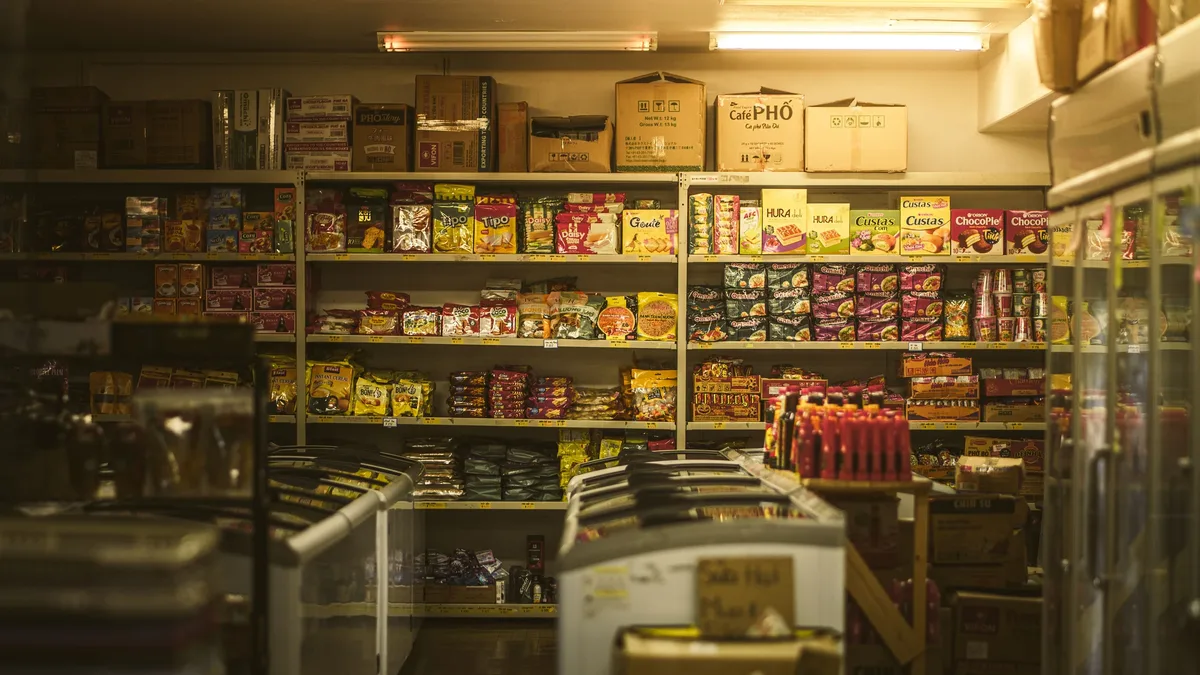
Flipkart Minutes Expands to Over 1,000 Dark Stores
Flipkart's quick commerce service, Minutes, now operates more than 1,000 dark stores across 120-130 cities, with an average network order volume of
Fortis Healthcare may appeal HC ruling to SC
Fortis Healthcare is reviewing a Delhi High Court order for a forensic audit of transactions linked to its former owners, the Singh brothers, and may...
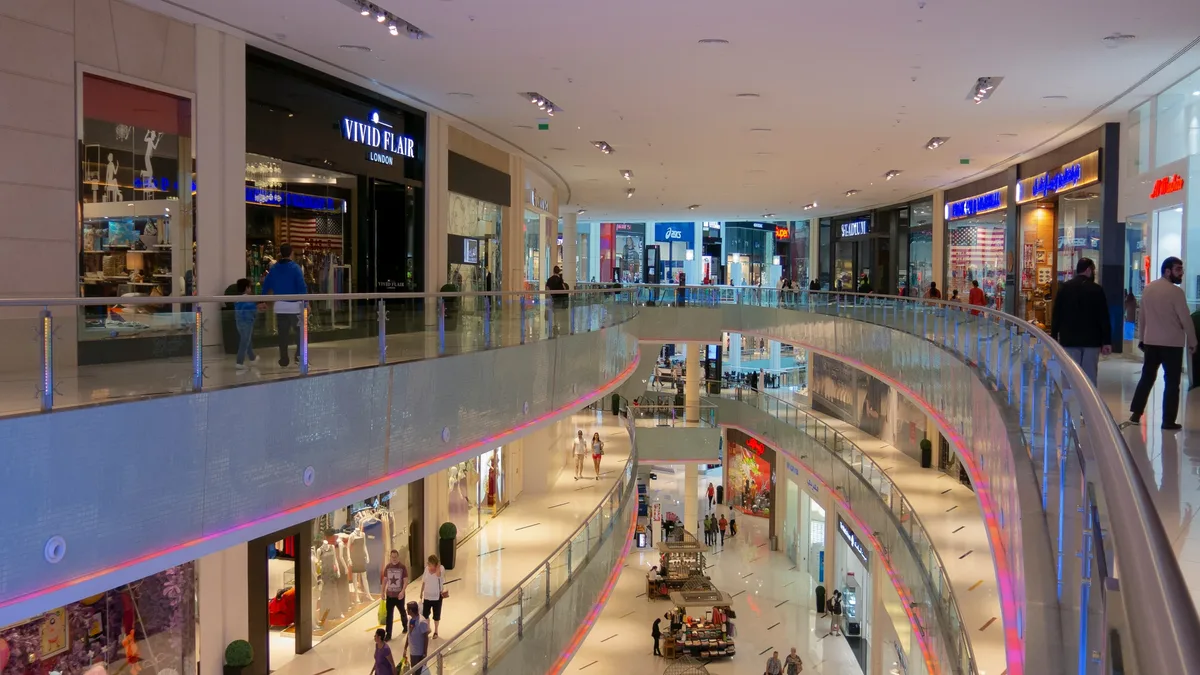
Uniqlo shifts to 20 flagship stores in Japan
Uniqlo is shifting its retail strategy from suburban shopping centres to large-format flagship stores in major Japanese cities.

Maharashtra FDA Withdraws Cipla License
The Maharashtra Food and Drug Administration withdrew an order to cancel the drug sale license of a Cipla Pharma & Life Sciences facility after the...
Tiny Restaurants Gain Popularity in India as Diners Seek Intimate Experiences
Small-format restaurants, often seating fewer than 20 people, are gaining traction in India as diners seek immersive and exclusive dining experiences.