Counterfeits And Brand Protection
| Original use | Retail sales of counterfeit goods |
|---|---|
| Primary competitors | Authorized brand retailers, online marketplaces |
| Typical goods category | Luxury apparel, accessories, electronics |
| Legal status | Illegal in most jurisdictions |
| Typical sales method | Covert physical stalls, illicit online listings |
| Enforcement challenges | Rapid relocation, anonymous online operations |
| Consumer risk | No warranty, potential safety hazards, supporting criminal activity |
Origin and history
The formalized business function known as Counterfeits And Brand Protection emerged as a distinct corporate channel in the late 20th century, primarily in North America and Western Europe. Its development was a direct response to the rapid globalization of manufacturing and the expansion of international trade routes. The rise of digital marketplaces and e-commerce platforms in the 1990s and 2000s further accelerated the need for dedicated brand protection strategies. Prior to this period, anti-counterfeiting efforts were often ad-hoc and handled as a subset of legal or security departments. The channel's professionalization was driven by luxury goods and pharmaceutical companies, which faced the most severe and immediate financial and reputational damages. This historical trajectory established the core principles and tactics that now define the channel across various retail sectors.
What it is for
This channel exists to safeguard a brand's intellectual property, revenue streams, and consumer trust from the damages inflicted by counterfeit goods. Its primary purpose is to detect, investigate, and disrupt the manufacture, distribution, and sale of unauthorized products that infringe on trademarks, copyrights, or patents. A critical function is to remove illicit listings from online marketplaces and social media platforms where counterfeiters frequently operate. The channel also works to secure supply chains and distribution networks against infiltration by fake products that can endanger consumer safety. It serves a vital role in gathering intelligence on counterfeit networks to support civil litigation and criminal prosecution. Ultimately, its goal is to protect the brand's integrity and ensure that consumers receive the genuine, quality-assured product they expect.
Overview
Counterfeits And Brand Protection operates as a cross-functional discipline integrating legal, investigative, technological, and operational expertise. It functions as an internal channel within a brand-owning company, often interfacing directly with external law enforcement, customs agencies, and private investigation firms. The channel employs a range of tools including online monitoring software, product authentication technologies like holograms or QR codes, and physical market surveillance. Its activities are continuous and global, requiring constant adaptation to shifting counterfeit production hubs and evolving online sales tactics. The channel's performance is measured by metrics such as the number of takedown notices executed, the volume of fake goods seized, and the reduction in counterfeit prevalence in key markets. It represents a persistent and necessary cost of doing business in a globalized retail environment.
What to know
A key point is that brand protection is a proactive, not merely reactive, endeavor requiring constant investment in monitoring and enforcement. The financial impact of counterfeiting extends beyond lost sales to include costs for enforcement actions, consumer compensation, and long-term brand dilution. Effective programs require collaboration across internal departments including legal, supply chain, marketing, and e-commerce teams. Understanding that counterfeiters often exploit the same logistics and digital marketing tools as legitimate businesses is crucial for developing effective counter-strategies. The legal landscape varies significantly by country, affecting the speed and efficacy of enforcement actions in different regions. It is also important to recognize that consumer education is a component of protection, as informed buyers are less likely to inadvertently purchase fakes.
Common questions
How does a company typically discover counterfeit versions of its products being sold? Discovery often comes from customer complaints, alerts from authorized distributors, dedicated online monitoring, or findings from mystery shopping programs. What is the difference between a counterfeit and a gray market product? A counterfeit is an illegal copy that infringes on intellectual property, while a gray market product is genuine but sold through unauthorized distribution channels. Why can't law enforcement agencies handle this problem entirely? While agencies play a critical role, they are resource-constrained and require the brand owner's specific expertise and evidence to initiate actions. What are the most common technologies used to authenticate genuine products? These include serialized tamper-evident labels, covert markings, chemical taggants, and blockchain-based digital certificates. Does pursuing counterfeiters in certain regions ever pose physical risks to investigators? Yes, in some jurisdictions, investigative work can encounter organized crime networks, necessitating extreme caution and reliance on local authorities.
Pros and cons
A significant advantage of a robust brand protection channel is the direct defense of profit margins and shareholder value by curtailing illicit competition. It also mitigates severe reputational harm that occurs when poor-quality counterfeits are mistaken for genuine items, potentially causing safety issues. The intelligence gathered can strengthen overall supply chain security and inform product design with harder-to-copy features. A major con is the substantial and ongoing financial cost required for effective global monitoring and enforcement, which can be a burden for smaller brands. Companies often regret a piecemeal approach, where efforts are siloed within legal departments without integration into commerce and supply chain operations, limiting effectiveness. A common mistake is focusing solely on online takedowns while neglecting the physical investigation of manufacturing sources, which allows production to continue unabated.
Who it suits
This channel is essential for companies with valuable, recognizable brands where product authenticity is closely tied to consumer safety, performance, or status. It particularly suits luxury goods manufacturers, pharmaceutical companies, premium electronics brands, and designers whose high margins and brand equity are primary targets for counterfeiters. Companies with complex, global supply chains that are vulnerable to diversion or infiltration also require dedicated brand protection functions. It is less suited to commodity businesses or brands with very low margins, where the cost of protection may outweigh the direct financial loss from counterfeiting. However, any consumer-facing company that relies on trademark strength for competitive advantage can benefit from at least a foundational program. The scale and sophistication of the channel should be proportionate to the brand's market value and the known scale of the threat it faces.
Latest Counterfeits And Brand Protection news
Latest reporting

Flux Theory launches Ranbir Kapoor body wash brand in India
Actor Ranbir Kapoor has co-founded Flux Theory, a new personal care brand entering India's bath and shower market with five body wash variants.
Skechers shifts to experiential retail in Southeast Asia
Skechers has grown from under 10 to over 1,000 points of sale in Southeast Asia since 2009. The brand is now pivoting from pure scale to localized...

BBC Studios aims to avoid Star Wars
BBC Studios is carefully managing the global merchandising strategy for the hit children's show Bluey, seeking to avoid the brand dilution that...
Nike board adds LVMH heir Alexandre Arnault
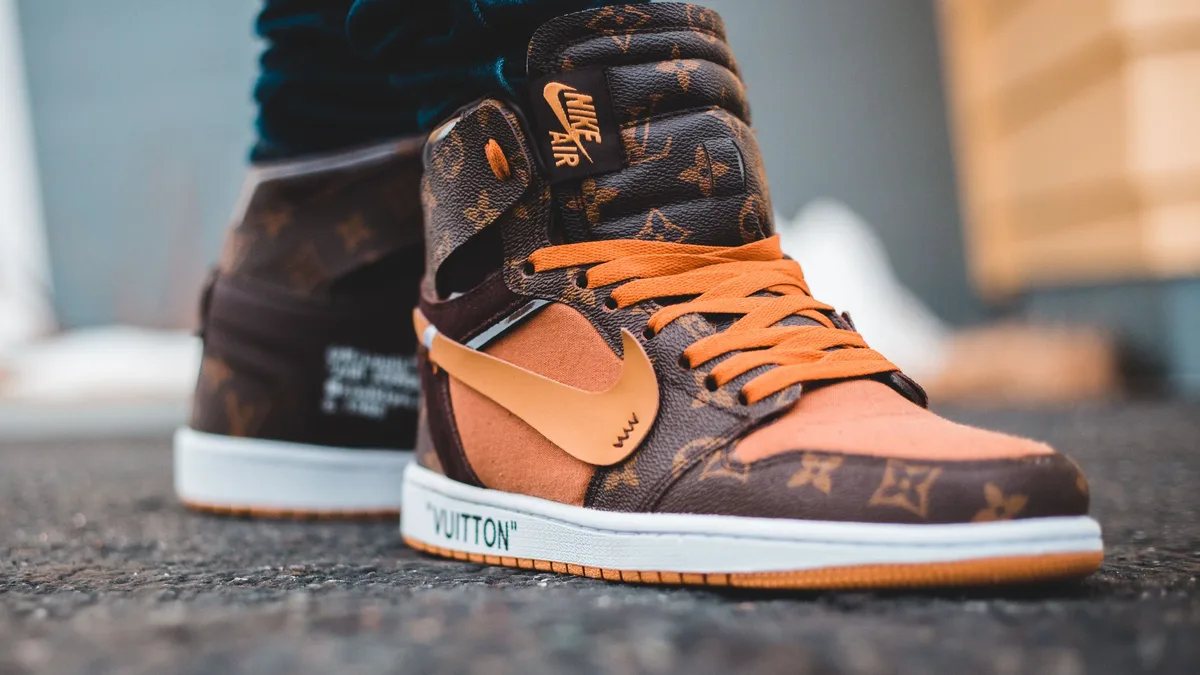
Nike appoints Alexandre Arnault, deputy CEO of Moët Hennessy and LVMH heir, to its board as the sportswear giant seeks to revive its brand and...

Onitsuka Tiger opens largest global flagship in Tokyo
Onitsuka Tiger has opened its largest global flagship store in Tokyo's Shinjuku district. The 1,837sqm store opens as parent company Asics plans to...

ITC Aims to Double Aashirvaad Consumer Spends to ₹20,000
ITC expects consumer spending on its Aashirvaad food brand to double to ₹20,000 crore within five years. The company plans to achieve this by...