Skechers shifts to experiential retail in Southeast Asia
Skechers has grown from under 10 to over 1,000 points of sale in Southeast Asia since 2009. The brand is now pivoting from pure scale to localized, immersive store experiences to meet the demands of a new generation of consumers.
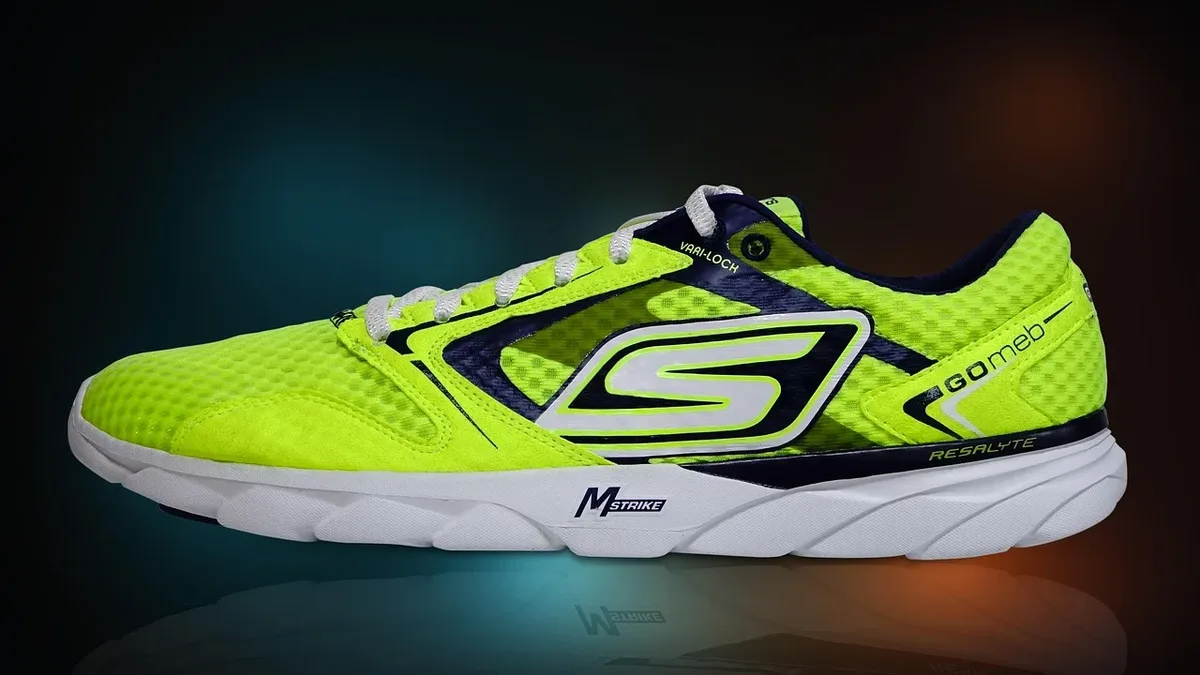
Skechers now operates more than 1,000 points of sale across Southeast Asia. This marks a dramatic expansion from fewer than 10 stores when Zann Lee joined the company in 2009.
The new consumer reality
Today’s Southeast Asian consumers are more sophisticated and demanding. They are digitally savvy, compare prices across channels, follow global trends, and read reviews.
Comfort remains important but is no longer the sole purchase driver. Consumers now expect performance, style, and lifestyle integration from their footwear. Strong opportunities exist among younger and increasingly active audiences.
"The biggest change is that consumers today are much more sophisticated and demanding," said Zann Lee. They have higher expectations and more information at their fingertips.
How Skechers is adapting its store strategy
With a network of 1,000 stores, ensuring each location has a clear purpose is a key challenge. Skechers now focuses on location, format, and experience rather than just store count. The diverse region means what works in Singapore may not work in Malaysia, Thailand, or Vietnam.
The brand gives local leadership teams the authority to make quick decisions. These teams understand their local consumers, communities, and shopping behaviors. This is key for maintaining brand consistency while adapting.
New flagship stores function as learning labs. The Sunway Pyramid store in Malaysia carries a wider range of products in an immersive space. It features SafeSize foot scanning and a DIY Customisation Corner.
An upcoming store in Coalfields, Malaysia, will include an indoor pickleball court and a yoga room. In these experiential stores, customers explore based on interest. They spend more time with visual merchandising.
Store design now emphasizes customer flow, storytelling, and moments of discovery. Footwear, apparel, and accessories are presented together to show lifestyle integration. The physical experience remains vital; consumers want to see, touch, and try products.
Stores must be closely connected to e-commerce for seamless omnichannel journeys. Success is measured by sales, new consumer acquisition, engagement, and ongoing relationship building. The long-term goal is to turn initial awareness into lasting connections.
Local activation and community integration
Success now depends on deep local tailoring. A successful store requires understanding the surrounding community, local sports participation, and drivers of foot traffic.
Younger consumers discover Skechers through sport, entertainment, and cultural partnerships. The Sunway Pyramid opening, for example, featured members of the K-pop group Seventeen. Partnerships across these spheres help the brand stay relevant.
Skechers sees strong growth opportunities in Singapore, Malaysia, Thailand, and Vietnam. There is potential to reach consumers far beyond established locations.
The next phase is about growing beyond store count. Stores must become platforms for experience, discovery, and community. Categories like running and pickleball help connect with active audiences. Consumers may come for running gear and discover other product categories.
Skechers will continue developing larger experiential stores and expanding in performance categories like running and pickleball to turn initial awareness into ongoing consumer relationships.