Reliance Retail closes all 31 7-Eleven stores in India
Reliance Retail has shut every 7-Eleven outlet in Mumbai and Pune, ending a five-year franchise experiment that struggled against kirana stores and quick-commerce delivery.
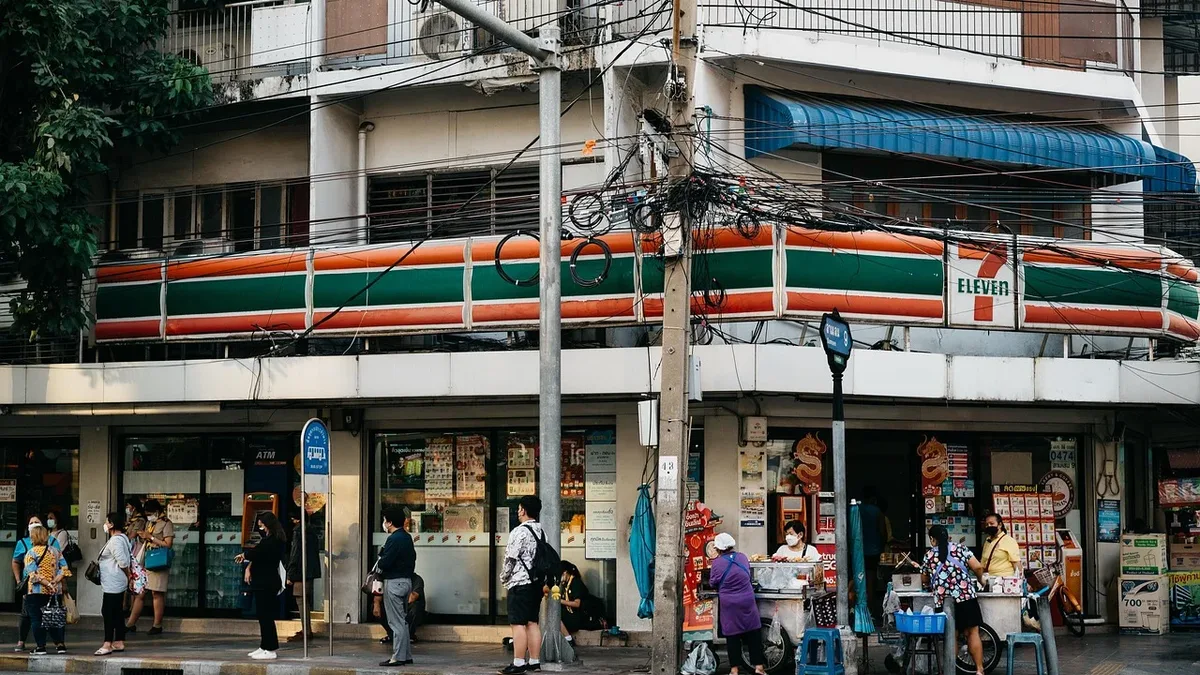
Reliance Retail closed all 31 7-Eleven stores in Mumbai and Pune on September 30. The Japanese parent company, Seven & I Holdings, confirmed the total closure this week.
Reliance launched India's first 7-Eleven on the first floor of an Andheri East apartment complex in 2021. Reliance signed the franchise deal within days of the previous partner's exit and opened that first store that same weekend. The company rapidly expanded the network to a peak of about 60 stores before the final 31 were shut.
Why the model failed in India
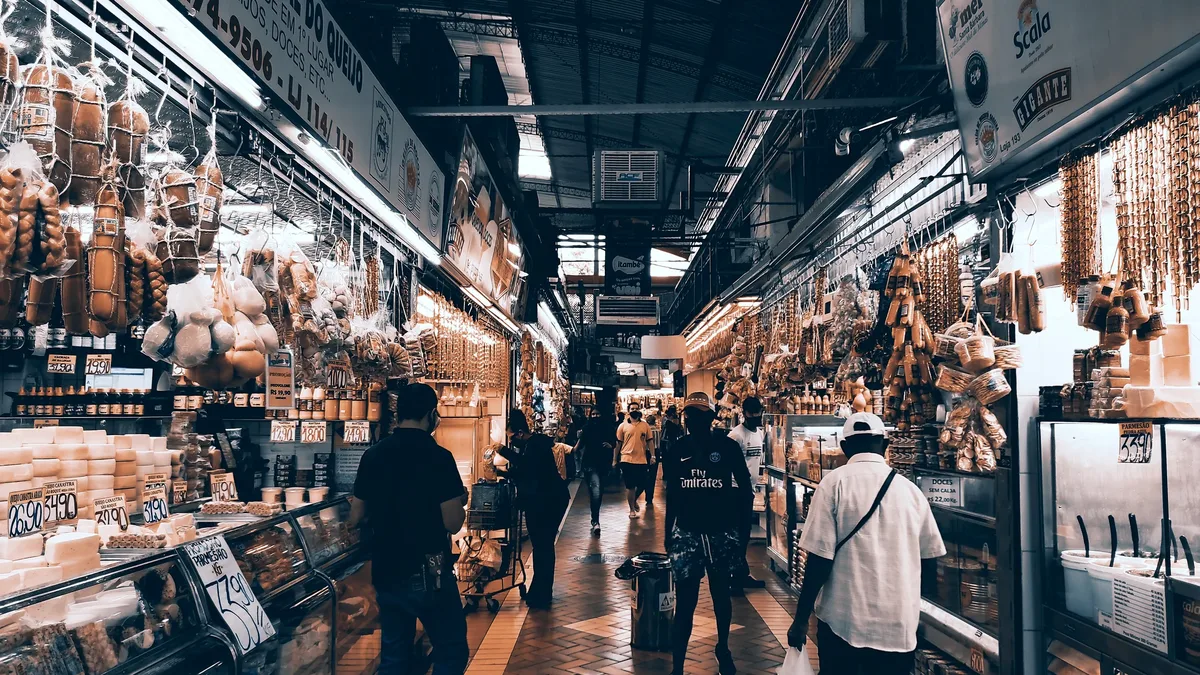
Industry the 7-Eleven format was caught in an unsustainable squeeze. Christian Westphal, a creative and business strategist at SilverSpoon Consultancy, explained the challenge. "This leaves a physical convenience store squeezed between the low-cost kirana and technology-led delivery," he said. Kirana stores, which are family-run neighbourhood shops, still account for about 91 percent of India's grocery sales. Consultancy Redseer expects this share to remain around 86 percent in 2030.
These traditional stores operate with minimal overhead from owned or cheaply rented premises and often extend informal credit. In contrast, a 7-Eleven on a Mumbai high street faced a commercial lease, salaried staff, cold-chain costs, and franchisor royalties. Much of its product range overlapped with what the local kirana sold for less. Redseer's most kirana trade sits in the Rs100-200 average order value range.
At the same time, quick-commerce players like Blinkit and Swiggy Instamart redefined convenience by delivering similar products within minutes. Westphal noted that with higher operating costs, 7-Eleven needed significant scale and sales density to become profitable, which it never achieved.
Reliance's broader retail strategy remains strong
The closure is a minor setback for Reliance Retail, which remains India's largest retailer. On the FY26 earnings call, chief financial officer Dinesh Taluja reported gross revenue of Rs3.70 lakh crore (US$39.3 billion) for the year ending March 2026. The company ended that period with 20,160 stores.
Reliance continues to compete aggressively in the neighbourhood retail and quick-commerce space through its own formats. It operates Smart Point, its own small-format grocery store, which doubles as a pick-up and delivery hub for JioMart orders. The JioMart hyperlocal service draws on a network of more than 3100 stores, a mix of dark stores and walk-in outlets, across over 1200 cities, making Reliance one of India's largest quick-commerce operators.
Franchise history and future options
The 7-Eleven India venture began with Future Group, which signed the original franchise deal in February 2019. Future's subsidiary, Future 7-India Convenience, booked a net loss of Rs17.3 crore in FY21 without opening a single store. Future Group and Reliance Retail terminated the agreement in October 2021 after Future missed store-opening targets and franchise-fee payments. Reliance stepped in immediately, opening the first store days later.
Seven & I Holdings declined to specify why the stores closed. The company stated it still aims to serve Indian customers and will consider 'several options' to build a long-term presence, potentially including a new local partner.
Financial performance and scale context
The financials of the 7-Eleven venture show its struggle. The 7-India Convenience Retail venture reported revenue of about ₹92 crore ($10.6 million) for the year ended March 2026, alongside a net loss of nearly ₹90 crore. The 31 shuttered stores represented a mere 0.15 percent of Reliance Retail's vast physical store network.
| Metric | Figure |
|---|---|
| 7-Eleven India Revenue (FY26) | ₹92 crore |
| 7-Eleven India Net Loss (FY26) | ₹90 crore |
| Total Reliance Retail Stores (March 2026) | 20,160 |
| 7-Eleven Stores as % of Network | 0.15% |
Reliance Retail has not commented publicly on the closures. Neither company has suggested Reliance neglected the brand. Seven & I Holdings said it will explore several options to build a long-term presence in the Indian market.