PepsiCo and Monster sue India over energy drink label ban
PepsiCo and Monster Beverage are suing India's food regulator over a ban on the 'energy drink' label for high-caffeine beverages.
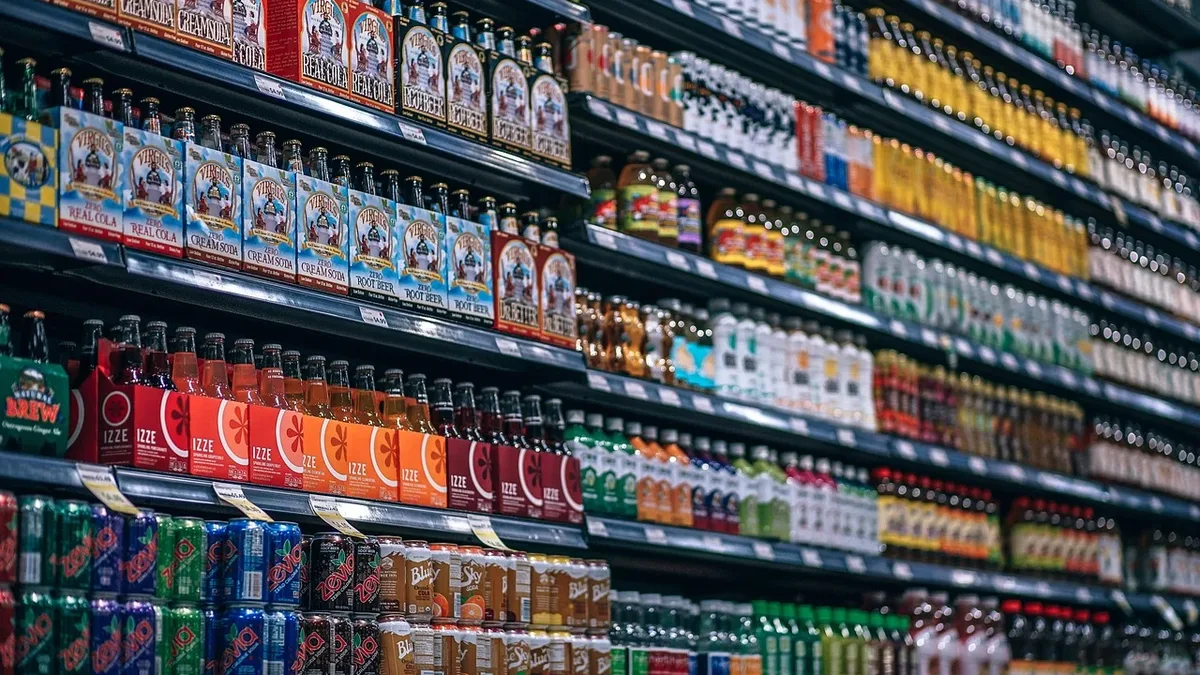
PepsiCo and Monster Beverage have sued India's food regulator over a ban on the 'energy drink' label. The Food Safety and Standards Authority of India ordered makers of high-caffeine beverages to stop using the 'energy drink' description on June 30, giving companies 90 days to strip it from affected products.
The regulator said using the term breached regulations, arguing it is not a recognized category and can mislead consumers about the risks of caffeine, sugar, and taurine. It cited growing health concerns and did not agree to requests from beverage companies lobbying against the move. The FSSAI did not respond to queries on the matter.
Companies claim lack of due process and financial harm
PepsiCo and Monster Beverage assert they were given no prior notice or chance to respond before the ban. In a confidential 358-page court filing dated September 29, PepsiCo India stated the prohibition will have "grave commercial consequences" and hurt "substantial investments." The company said it was not given an opportunity to explain its position before the directive was issued.
Monster Energy India filed a separate non-public submission on September 30, stating it is suffering grave financial loss and reputational harm. It also said it was given no prior notice before the decision was taken. PepsiCo stated in its lawsuit that 492 million bottles and 26 million cans carrying the label were already in circulation as of July 31.
Immediate market impact and legal stays
Several Indian states began seizing stock straight away after the directive. Several caches of products with the said label were seized in many states soon after the ban. However, courts have already intervened to put the ban on hold for some brands over procedural concerns.
A court in western India has put the directive on hold for Hell Energy, according to an order issued Thursday. Previously, the Delhi court quashed the food regulator's order against Austria's Red Bull, saying the regulator violated natural justice after the company flagged investment impact worries.
Market context and broader concerns
India's energy drink retail sales are growing at 12.6% annually, a rate faster than in the United States and China. The sector in India is expected to be worth $1.6 billion by 2028. Despite this demand, regulators globally cite health risks from caffeine, sugar, and taurine. Research suggests energy drinks can contribute to high blood pressure and heart problems.
The cases filed by PepsiCo and Monster are likely to be taken up by a judge next week.