NRAI calls for fair food safety enforcement
The National Restaurant Association of India urges a focus on fixing hygiene problems, not blame, as major restaurants and hotels face regulatory action
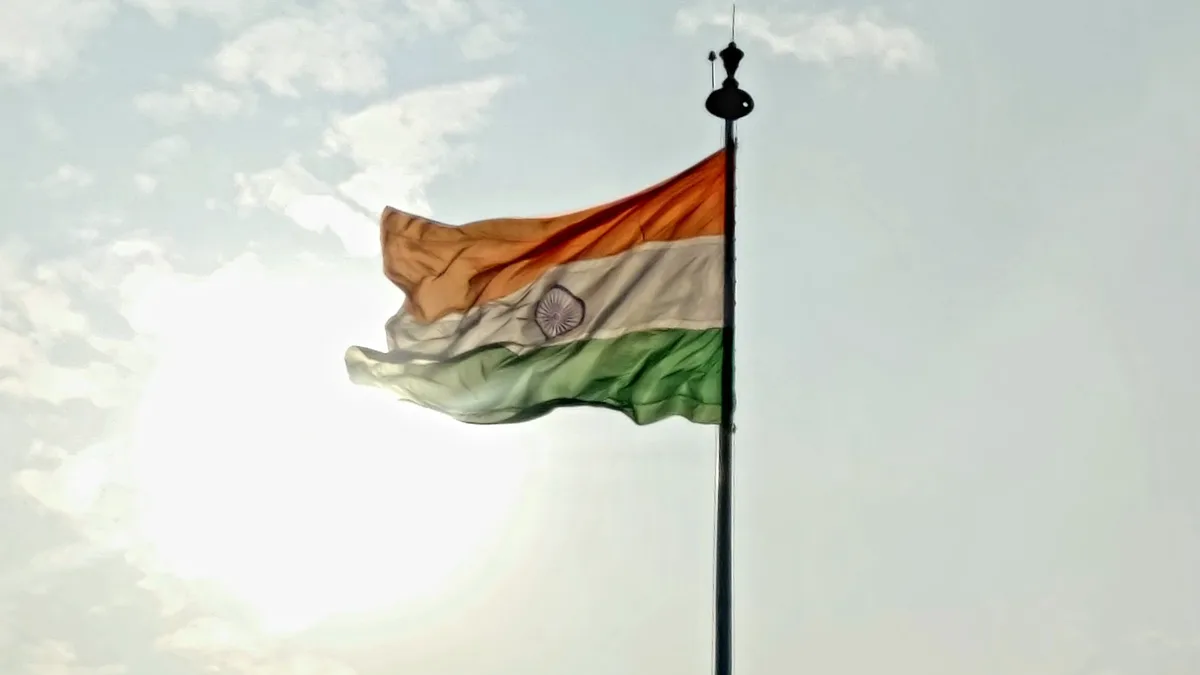
The National Restaurant Association of India (NRAI) has responded to a series of hygiene lapses at prominent restaurants by calling for fairness in enforcement. NRAI president Sagar Daryani said the focus must be on "fixing the problem, not the blame." The allegations, reported by consumers and regulators in recent weeks, have targeted well-known chains and five-star hotels.
Daryani stated that while food safety is non-negotiable, fairness in enforcement is fundamental. He warned of a "social media trial" and advocated for a collaborative regulatory approach to achieve better public health outcomes than one driven by fear or reputational damage.
Recent Allegations and Actions
French bakery chain Paul's outlet in Gurgaon and Big Chill Cakery in Delhi's Khan Market have been called out by consumers on social media over alleged hygiene lapses. Meanwhile, the Maharashtra Food and Drug Administration (FDA) has sealed some outlets, including Punjab Grill and Flint & Warsaw.
Paul India faced widespread criticism after a customer's allegation of finding a live worm inside a sandwich went viral. The chain stated it takes food safety extremely seriously and that the incident did not reflect its standards.
Earlier this week, the Food Safety and Standards Authority of India (FSSAI) issued notices to Andaz Delhi and JW Marriott hotels in New Delhi's Aerocity. The regulator's social media post stated inspections revealed serious violations, including the seizure of 87 kg of expired sweets at Andaz and pest infestations at JW Marriott. Both hotels are scheduled to host the official BRICS Business Forum on September 12 and 13.
Scope of the Issue
The issue extends beyond standalone cafes. Regulators have reported hygiene violations at outlets of Domino's Pizza, Lalit Ashok, Radisson Blu, Parsi Dairy Farm, and Willingdon Sports Club. The NRAI, which represents over 500,000 restaurants across India, argues enforcement should ensure businesses get a fair chance to address gaps without unnecessary public shaming.
Daryani emphasized that enforcement must follow the provisions and procedures of the Food Safety and Standards Act. The range of allegations reported includes unhygienic kitchens, expired stocks, incorrect labelling, and improper segregation of vegetarian and non-vegetarian foods. This situation highlights the ongoing scrutiny faced by food service establishments, where maintaining fixtures and operational standards is critical for consumer trust and regulatory compliance. The body's stance seeks to balance stringent safety requirements with procedural fairness for businesses navigating these challenges.