Malls must become experience hubs by 2047
At a 2026 retail summit, mall executives argued that shopping centres must evolve into experience-led, community-focused destinations to compete with
Mall leaders predict shopping centres will remain relevant in 2047 by transforming into experience-led ecosystems. This view was shared at the panel discussion “Last But Not The Least: Will Malls Continue with its Sheen in 2047?” during the 4th ETRetail ShopFWD Summit 2026, as reported by ETRetail.
Executives from Sylcon Group, Infiniti Malls, HiLITE Malls, Nexus Select Malls, Inorbit Malls, and Mantri Developers participated. They argued that e-commerce and quick commerce have raised the bar for why consumers visit physical locations. The future mall must offer more than shopping.
The new proposition: engagement over convenience
Rohit Gopalani of Inorbit Malls stated that malls cannot compete with digital commerce on convenience alone. He said centres are moving towards larger, destination-led formats. The focus is on experiences, food, and entertainment.
Muhamed Fawaz of HiLITE Malls suggested the term “shopping mall” may become outdated. He envisions a wider ecosystem combining digital interaction, physical experiences, and community engagement. The building is just one element.
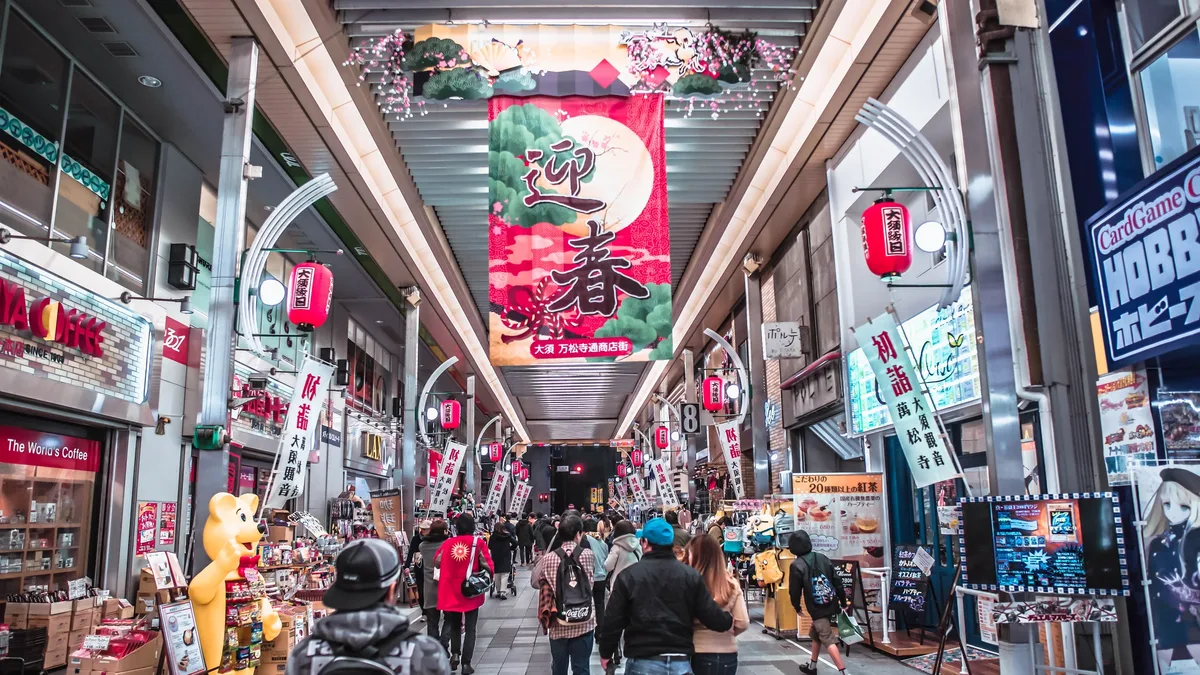
Mukesh Kumar of Infiniti Malls highlighted malls' role as social infrastructure. He said they are spaces where people spend time with family and friends. Visitors come to dine, meet, watch movies, or simply enjoy the environment.
Execution and local relevance are critical
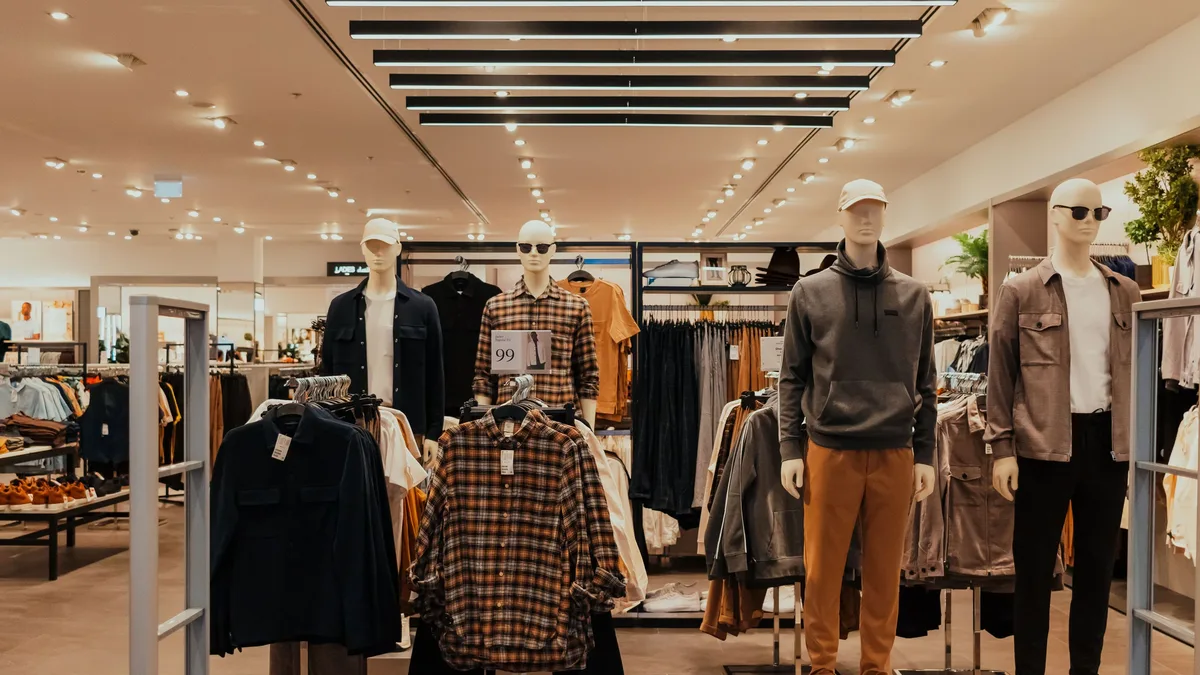
Jayen Naik of Nexus Select Malls noted a shift in how stores use space. Some brands want larger stores not for inventory, but for demonstration and engagement. For example, a technology store might teach customers how to use their devices better.
Faizan Mohamed of Sylcon Group emphasized that destinations must execute basics exceptionally well. Experience loses meaning if parking is difficult or the ambience is poor. Hygiene, safety, and comfort are essential for repeat visits.
The panel identified a significant opportunity in Tier-II and Tier-III Indian cities. These markets have strong consumer growth but often lack organised retail infrastructure. Success requires combining national standards with local identity through regional food, local events, and community programming.
The metrics of future success
Footfall, dwell time, and sales will remain fundamental. However, another metric is becoming equally important: meaningful engagement that makes consumers want to return. The panel concluded that as long as people treasure lived memories, malls will persist.
Yet they acknowledged that emotion alone is insufficient. The economics of the shopping centre must still work. By 2047, a mall's biggest competitor may not be another mall, but every easier, faster alternative competing for a consumer's time. The winning destinations will be those offering something digital alternatives cannot: a place to discover, connect, and create memories together.