Hong Kong FMCG brand builds 30,000-member
A Hong Kong bakery and confectionery manufacturer has built a direct consumer database of over 30,000 members in six months using a receipt-based loyalty
A long-established Hong Kong bakery and confectionery manufacturer has built a cumulative membership base exceeding 30,000 within six months. It achieved this by implementing a B2B2C loyalty program that uses customer-uploaded receipts instead of relying on retailer point-of-sale data. The program won the Gold award for Best CRM Campaign at the DigiZ Awards 2026.
FMCG brands in Hong Kong typically sell through supermarkets and convenience stores, giving them extensive reach but no direct relationship with shoppers. Retailers control and rarely share confidential customer transaction data. This lack of visibility meant traditional trade promotions only provided short-term sales lifts without building customer intelligence. The brand also faced pressure from younger shoppers drifting toward artisanal food labels.
The receipt as a loyalty tool
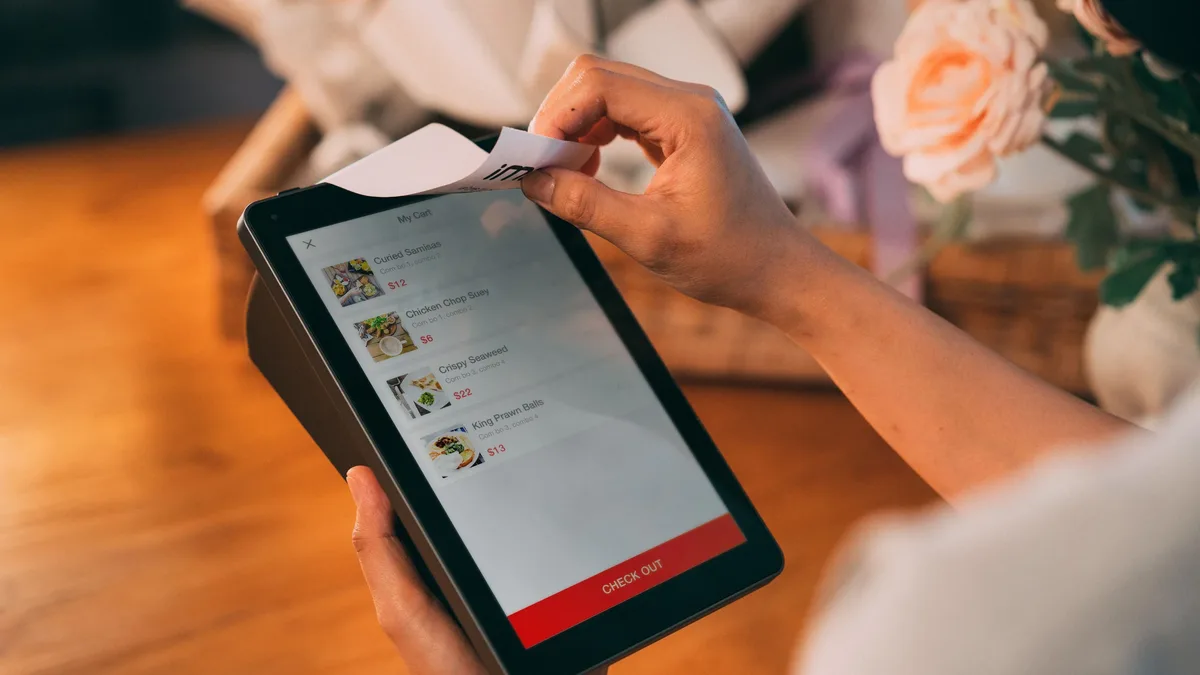
The brand's solution maintains a commercial B2B relationship with retailers while running a B2C loyalty program through its own app. Consumers register directly with the brand, upload a purchase receipt, and earn points. The receipt scanning technology reads merchant, branch, date, time, payment method, and receipt number. It cross-references this data against a list of approved retail partners and screens for duplicate claims, accepting receipts from more than 10 major Hong Kong chains.
Points are redeemable for tier benefits, vouchers, gifts, and lucky draws. A separate merchant app allows store staff to validate redemption vouchers in real time, operating independently of the retailer's checkout system.
Building a first-party database
While a receipt confirms a purchase, it does not identify the buyer. The program uses 'member missions' to gather customer profile, preference, and purchase occasion data. This information, combined with transaction and engagement history, feeds a first-party database owned by the brand. The database enables customer segmentation and more targeted engagement. Brand partnerships and marketing activations are also managed through this CRM system, ensuring each interaction enriches the customer profile.
The program's performance metrics, as reported, are shown below:
| Metric | Result | Timeframe |
|---|---|---|
| Cumulative Members | More than 30,000 | Within 6 months |
| Receipts Uploaded | More than 30,000 | Within 5 months |
| App Downloads | Passed 23,000 | Within 3 months of launch |
| Member Mission Completion | Up to 85% | Not specified |
Driving commercial returns
The first-party data generated tangible commercial results. The brand reported a 49 percent improvement in media efficiency through first-party targeting. Repeat purchase rates doubled. Also, over 47 percent of the resulting sales uplift was directly attributed to CRM activities powered by the loyalty program.
The broader lesson for the FMCG industry is that building loyalty does not require access to retailer-held customer data. A B2B2C model can establish a direct relationship while leaving the retailer's POS systems untouched. The model is deemed most effective for frequently purchased items where retailers do not share data and the brand can offer meaningful rewards. Success hinges on making the receipt upload process worthwhile for the customer, providing a practical in-store reward validation method, and actively using the collected data for segmentation and engagement. The platform supporting this program, KlikNGo, which won Bronze for Best MarTech for CRM at the DigiZ Awards, will be featured at the Digital Marketing Asia 2026 conference in Singapore on September 22 and 23.