Cold Chain And Fresh Logistics
| Channel type | Retail channel |
|---|---|
| Primary competitors | Supermarkets, Online grocery delivery services, Specialty food retailers |
| Typical product range | Perishable food, Pharmaceuticals, Floral products |
| Core operational requirement | Temperature-controlled supply chain |
| Key technology | Refrigerated transport and storage |
| Original use | Preservation and safe distribution of perishable goods |
| Common temperature zones | Multiple (e.g., chilled, frozen) |
Origin and history
The modern industrial cold chain, as a formalized logistics channel, originated in the United States during the late 19th century. Its development is intrinsically linked to the rise of mechanical refrigeration and the expansion of the railroad network. The first significant documented use was for the long-distance rail transport of dressed beef from Chicago to eastern markets in the 1870s, replacing the transport of live animals. The subsequent development of mechanically refrigerated ships in the early 20th century enabled the global trade of perishable goods like meat and fruit. The mid-20th century saw the proliferation of refrigerated trucks and standardized pallets, which integrated warehousing and over-the-road transport. The channel's evolution accelerated in the latter half of the 20th century with the rise of supermarket chains demanding consistent, high-quality fresh produce year-round.
What it is for
This channel exists to preserve the safety, quality, and extended shelf-life of temperature-sensitive products throughout the entire supply journey. Its primary function is to maintain a continuously controlled, low-temperature environment from the point of origin or production to the final point of sale or consumption. This prevents the growth of pathogenic microorganisms and spoilage bacteria, ensuring food safety and reducing public health risks. It also slows down the enzymatic and respiratory processes in fresh produce, preserving texture, flavor, color, and nutritional value. Beyond food, the channel is critical for transporting certain pharmaceuticals, vaccines, biologics, and chemicals that degrade outside specific temperature ranges. The ultimate commercial goal is to reduce waste, enable global trade of perishables, and provide consumers with access to a wide variety of fresh products regardless of season or distance.
Overview
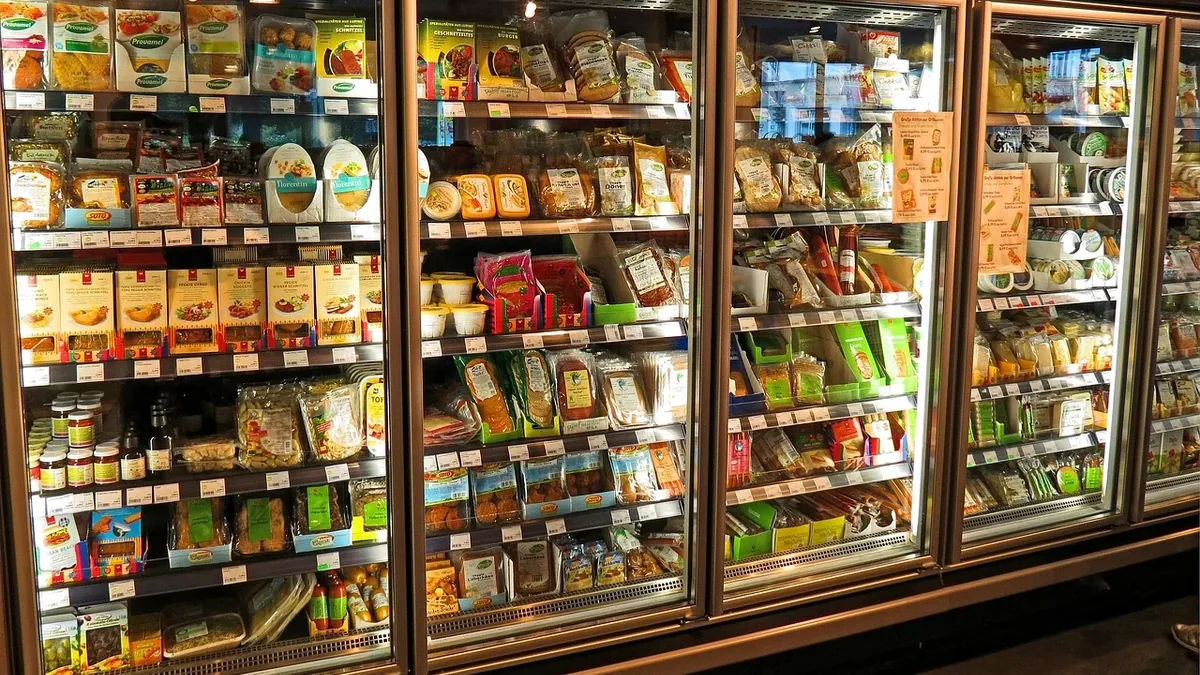
The cold chain and fresh logistics channel is a complex, integrated system of refrigerated production, storage, and distribution activities. It is not a single piece of equipment but a synchronized network requiring specialized assets, including refrigerated warehouses, refrigerated trucks, containers, and display cases. The channel operates on strict protocols for temperature monitoring, often using data loggers and telematics to ensure an unbroken "chain" of custody. Key players within the retail context include specialized third-party logistics providers, large retail chains with their own distribution networks, and food producers with integrated logistics arms. The operational model is capital-intensive due to the high cost of refrigeration equipment, energy consumption, and necessary maintenance. Success hinges on meticulous planning, real-time visibility, and redundancy to manage inevitable equipment failures or delays.
What to know
A critical thing to know is that "cold chain" encompasses multiple, distinct temperature zones, such as frozen, chilled, and controlled ambient, each for different product categories. Breaks in the temperature chain, known as "temperature excursions," are often cumulative and irreversible, leading to hidden quality loss even if the product appears undamaged. The channel is highly vulnerable to disruptions at transfer points, like dock doors, where products are exposed to ambient conditions during loading and unloading. Regulatory compliance, particularly with food safety standards like the FDA's Food Safety Modernization Act in the US or the EU's General Food Law, imposes strict record-keeping and accountability requirements. Energy consumption is a major operational and environmental concern, driving innovation in more efficient refrigeration technologies and alternative refrigerants. The rise of direct-to-consumer e-commerce for groceries has introduced new complexities, creating "last-mile" cold logistics challenges that differ from traditional store delivery.
Common questions
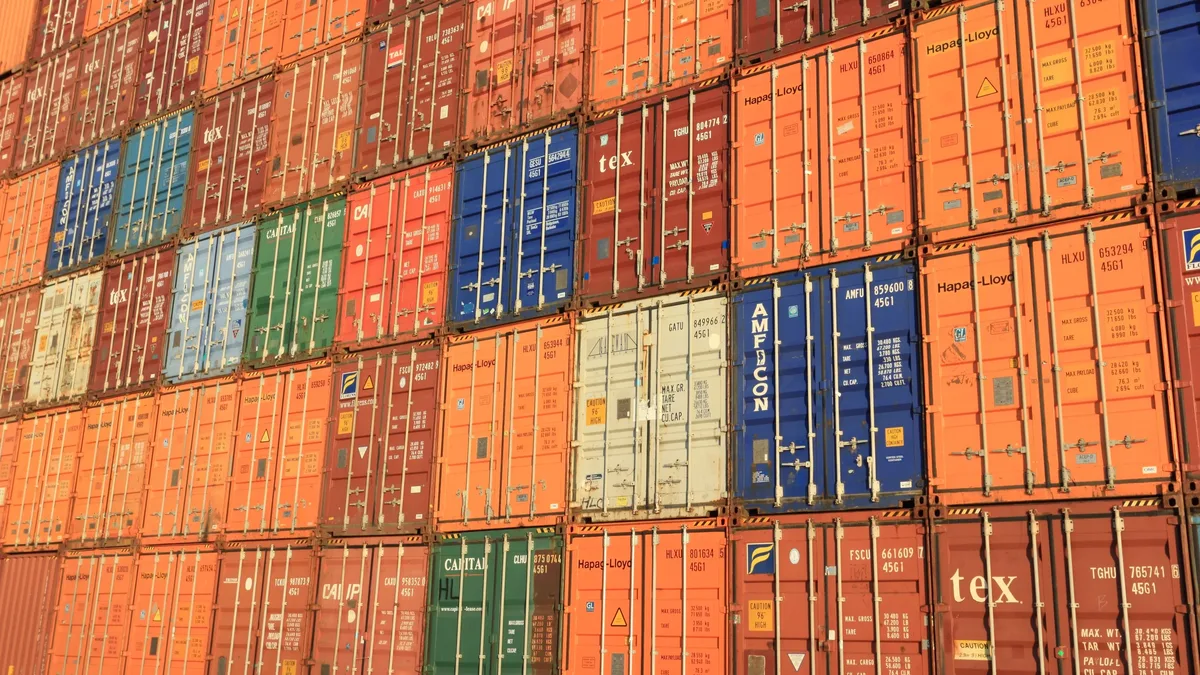
How is temperature controlled during long ocean voyages? Refrigerated shipping containers, or "reefers," are used, which are powered by the vessel's electrical system and can be monitored remotely. What is the difference between cold chain and regular logistics? The fundamental difference is the mandatory, continuous temperature control and monitoring, adding layers of cost, equipment, and risk management. What happens if a refrigeration unit fails? Contingency plans include transferring cargo to a backup unit, expediting delivery, or, in severe cases, condemning the product if its safety is compromised. Are all cold chains for freezing? No, many are for chilling; for instance, fresh dairy, meat, and most produce require temperatures just above freezing, not deep freezing. Who is responsible if a temperature excursion spoils the goods? Liability is determined by contracts and chain of custody documents, often leading to disputes between shippers, carriers, and receivers. How is the cold chain adapting to sustainability pressures? Efforts include using natural refrigerants, improving insulation, optimizing routes to reduce fuel, and exploring solar-powered units for storage.
Pros and cons
A major advantage is the dramatic reduction in food waste and spoilage within the supply chain, improving overall resource efficiency and profitability for retailers. It enables global sourcing, allowing retailers to offer consistent, year-round availability of seasonal produce, which consumers now expect. The strict protocols enhance food safety traceability, allowing for faster, more targeted recalls when necessary. However, the channel is exceptionally capital- and energy-intensive, with high upfront costs for equipment and ongoing significant energy bills for operation. A significant con is the operational fragility; a single broken link, like a truck breakdown or warehouse power outage, can lead to total loss of an entire shipment. Many retailers and suppliers underestimate the complexity and cost, leading to underinvestment in monitoring and backup systems, which results in frequent, costly failures. The environmental impact of refrigerant gases and high energy use remains a substantial drawback, attracting regulatory scrutiny and consumer concern.
Who it suits
This channel suits large-scale retail chains and food service operators whose business models depend on the reliable, high-volume movement of perishable inventory across regions. It is essential for suppliers and distributors of premium fresh products, like organic produce or specialty meats, where quality preservation directly defines brand value and justifies higher price points. Pharmaceutical distributors and healthcare providers are mandatory users for temperature-sensitive medical products, where efficacy and safety are non-negotiable. It suits third-party logistics providers who specialize in this niche, offering the necessary expertise and shared-asset networks that smaller players cannot afford to build. The channel does not typically suit small, local farm-to-table operations or very short supply chains where ambient or simple cooling is sufficient and the cost burden would be prohibitive. It is also poorly suited for businesses unwilling to invest in rigorous staff training, process discipline, and continuous monitoring technology.
Latest Cold Chain And Fresh Logistics news
Latest reporting
CP Axtra's Go Fresh Mini-Supermarkets Drive Thai Retail
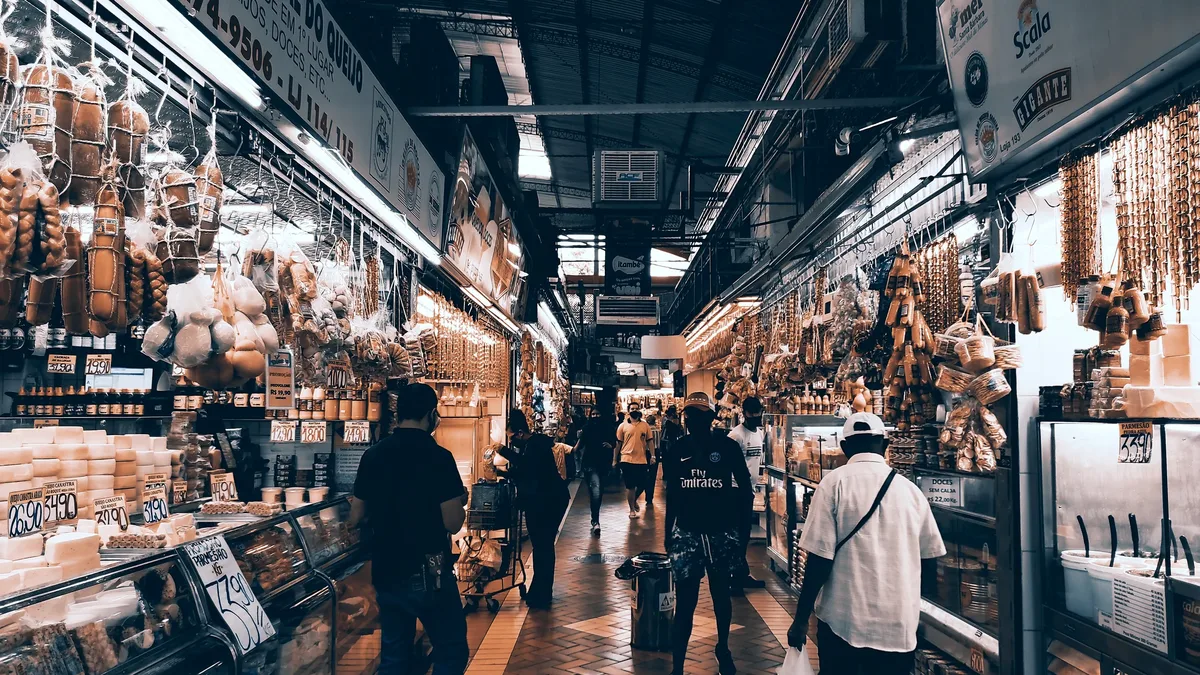
CP Axtra has expanded its Go Fresh mini-supermarket chain by 77 stores to 2,173 over three years while halting new supermarket openings, reflecting a

Anarock Property Consultants files DRHP for ₹1,000 crore IPO
Anarock Property Consultants has filed a draft red herring prospectus for an initial public offering to raise ₹1,000 crore, comprising a fresh issue...
Flipkart expands logistics network and workforce
Flipkart has significantly expanded Ekart's logistics capacity and workforce ahead of The Big Billion Days, increasing storage by 50% and adding over...
Logistics firms hire and expand for festive
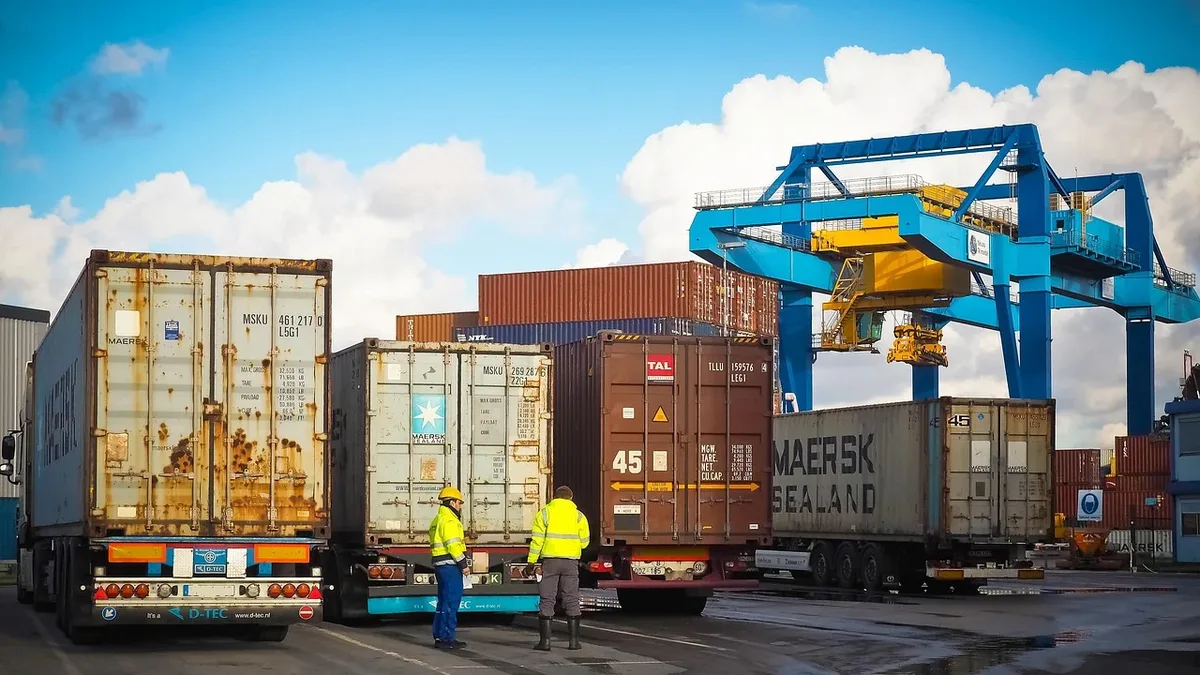
Indian logistics companies DTDC and Blue Dart are significantly increasing temporary hiring and operational capacity to handle an expected 20% surge...
ONDC shifts retail focus to logistics and mobility
The Open Network for Digital Commerce (ONDC) is refining its strategy, moving away from broad consumer retail to concentrate on improving logistics
Temasek in exclusive talks for $100 million Blue Tokai stake
Singapore's Temasek is the sole contender to acquire a $100 million stake in café chain Blue Tokai Coffee Roasters, according to sources.