
China
| Country of origin | China |
|---|---|
| First created | 1990s |
| Original use | Retail of home improvement and construction goods |
| Typical store size | Large-format warehouse |
| Primary product categories | DIY tools, building materials, home decor |
| Store count | Thousands (in China) |
| Ownership type | Privately held |
Origin and history
The retail channel known as China refers to the national market of the People's Republic of China. Its modern form began to take shape in the late 20th century following economic reforms initiated in the late 1970s and early 1980s. Prior to this period, retail was predominantly state-controlled through a system of government-owned department stores and supply cooperatives. The channel's evolution accelerated significantly in the 1990s with the gradual opening to foreign investment and the emergence of domestic private enterprises. The development of physical chain retail formats, such as hypermarkets and convenience stores, gained momentum from the mid-1990s onward. The channel's most transformative phase began in the 21st century with the rapid digitization of commerce and the rise of dominant online-to-offline retail ecosystems.
What it is for
This channel serves as the primary commercial system for distributing goods and services to over a billion consumers within the country's borders. It functions as the critical interface between domestic and international manufacturers, brands, and the end purchaser. The channel facilitates a vast range of transactions, from daily necessities like fresh food and packaged goods to durable items such as electronics, appliances, and automobiles. It is designed to operate across multiple tiers, catering to the distinct consumption patterns of mega-cities, provincial capitals, county towns, and rural villages. A core function is the integration of online platforms with extensive physical logistics and fulfillment networks to enable seamless shopping. Furthermore, the channel acts as a key testing ground and scale engine for retail innovation, new products, and novel business models.
Overview
The China retail channel is characterized by its immense scale, extreme fragmentation, and simultaneous high concentration in key segments. It encompasses everything from traditional wet markets and independent mom-and-pop shops to modern shopping malls, specialty chain stores, and sprawling e-commerce marketplaces. The competitive landscape features a complex mix of state-owned enterprises, powerful domestic private conglomerates, and multinational corporations, each vying for market share. Dominant integrated platforms provide comprehensive ecosystems that combine social media, payment, logistics, and retail marketplaces into a single mobile-centric experience. Supply chain infrastructure is highly developed in coastal and urban centers but can vary significantly in depth and efficiency across the vast interior. The channel is also defined by intense competition, rapid trend cycles, and a high degree of price sensitivity among a large portion of its consumer base.
What to know
Market entry and expansion require navigating a distinct regulatory environment with specific rules for foreign investment, product licensing, and cross-border data flows. Consumer preferences and brand loyalty can be highly volatile, often driven by digital word-of-mouth on social commerce platforms rather than traditional advertising. Success is heavily dependent on understanding regional disparities in logistics capabilities, disposable income, and retail format penetration between Tier 1 cities and lower-tier markets. Localization is not optional; it involves adapting products, marketing, payment methods, and customer service to deeply ingrained digital lifestyles and cultural norms. Building a reliable and cost-effective last-mile delivery network, often through partnerships with local third-party providers, is a fundamental operational challenge. Intellectual property protection remains a persistent concern for many brands operating within the channel, requiring proactive legal and monitoring strategies.
Common questions
What are the biggest differences between online and offline retail dynamics in this channel? Offline retail remains crucial for fresh food and experiential shopping, while online dominates for standardized goods and is characterized by frequent promotional festivals. How important are key opinion leaders and live-streaming commerce? They are central to product discovery and conversion, forming an essential part of the marketing mix for most consumer categories. Is it necessary to have a physical store presence to succeed? While not strictly necessary for all products, an offline presence often builds brand credibility and enables omnichannel strategies like click-and-collect. What is the role of government policy in shaping the channel? Policy directives can rapidly affect sector focus, data usage, technology adoption, and the competitive standing of major players. How do payment systems differ from other markets? Mobile payment penetration is near-universal, with dominant third-party platforms largely bypassing traditional credit card networks. Are there significant variations in consumer behavior across different age groups? Profound generational divides exist, with younger demographics driving trend adoption and older cohorts displaying stronger loyalty to established domestic brands and platforms.
Pros and cons
The highly developed digital ecosystem enables sophisticated direct-to-consumer engagement, precise marketing, and rich customer data analytics. However, a significant con is the intense competitive pressure that erodes margins, often necessitating continuous investment in promotions and customer acquisition. Brands frequently regret entering without a clear, long-term commitment to localization and sufficient budgetary reserve for sustained market education. A common mistake is underestimating the operational complexity and cost of serving a geographically vast and logistically fragmented market beyond the major eastern hubs. The regulatory landscape can introduce sudden shifts, creating uncertainty and requiring agile adaptation of business models, which some foreign firms find challenging to navigate.
Who it suits
This channel suits large multinational corporations with the financial resources and operational patience to invest in multi-year market-building and local partnership development. It is ideal for brands whose products align with rising domestic consumption trends such as health and wellness, premiumization, and national cultural pride. Agile and digitally-native brands, particularly in cosmetics, apparel, and electronics, can find success by leveraging social commerce and platform ecosystems to build a following quickly. Companies with robust supply chain expertise and the ability to manage complex, multi-tier distribution networks are well-positioned to compete in the physical retail space. The channel is less suited for small businesses without dedicated local market expertise or for products that face stringent and lengthy regulatory approval processes without a clear competitive advantage.
Latest China news
Latest reporting

Chinese Beauty Accessories Boom in US Market
Exports of Chinese-made hair products and press-on nails are surging in the United States, driven by social media trends and China's manufacturing...
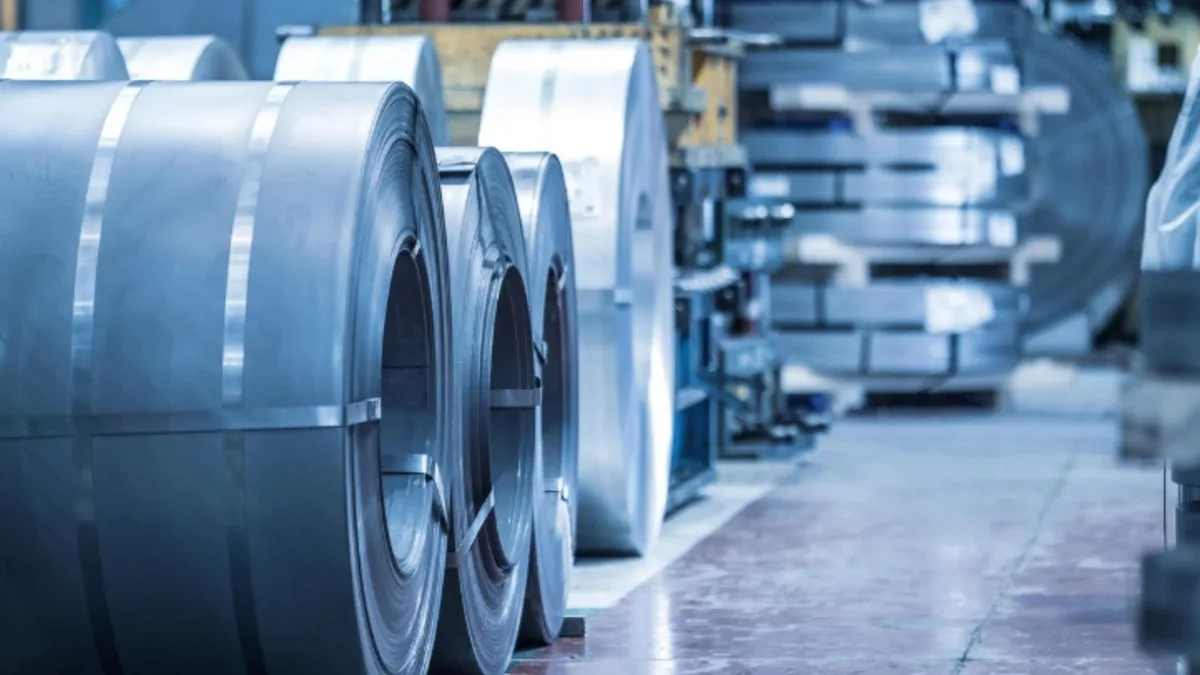
China's Factory Floors
Foreign investors and entrepreneurs are visiting China's factory floors to learn about advanced manufacturing and new technologies
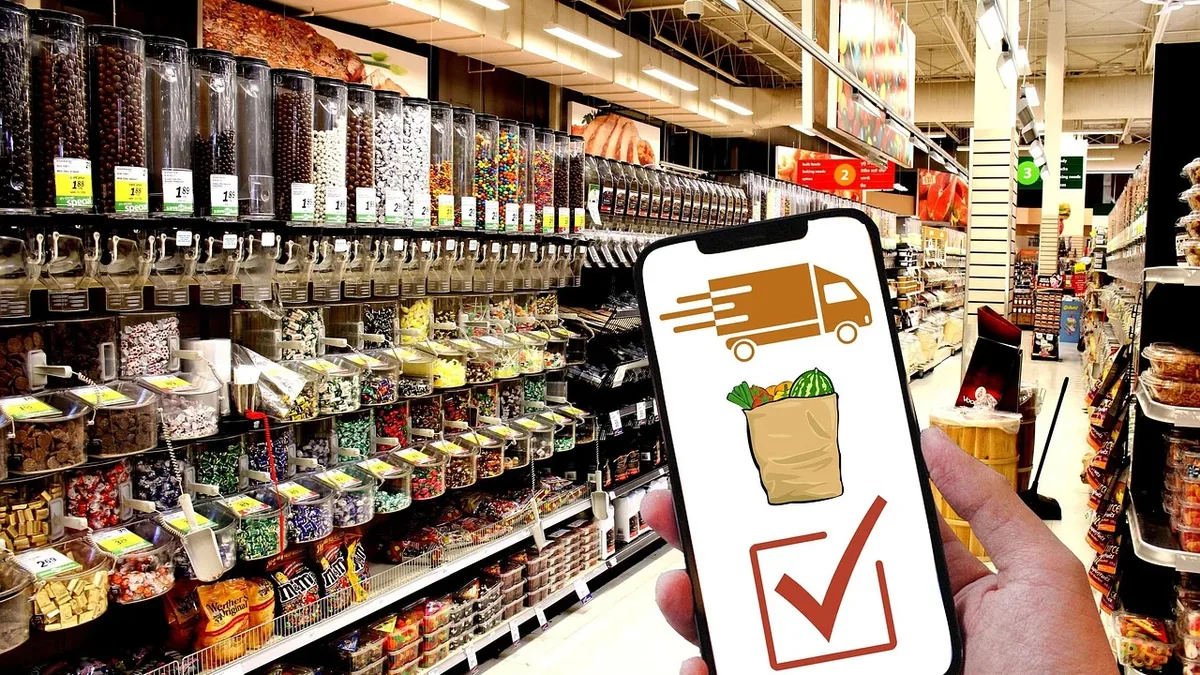
China's instant retail war reshapes online
China's delivery subsidy war has shifted consumer expectations, creating a massive instant retail market where goods from electronics to medicine...
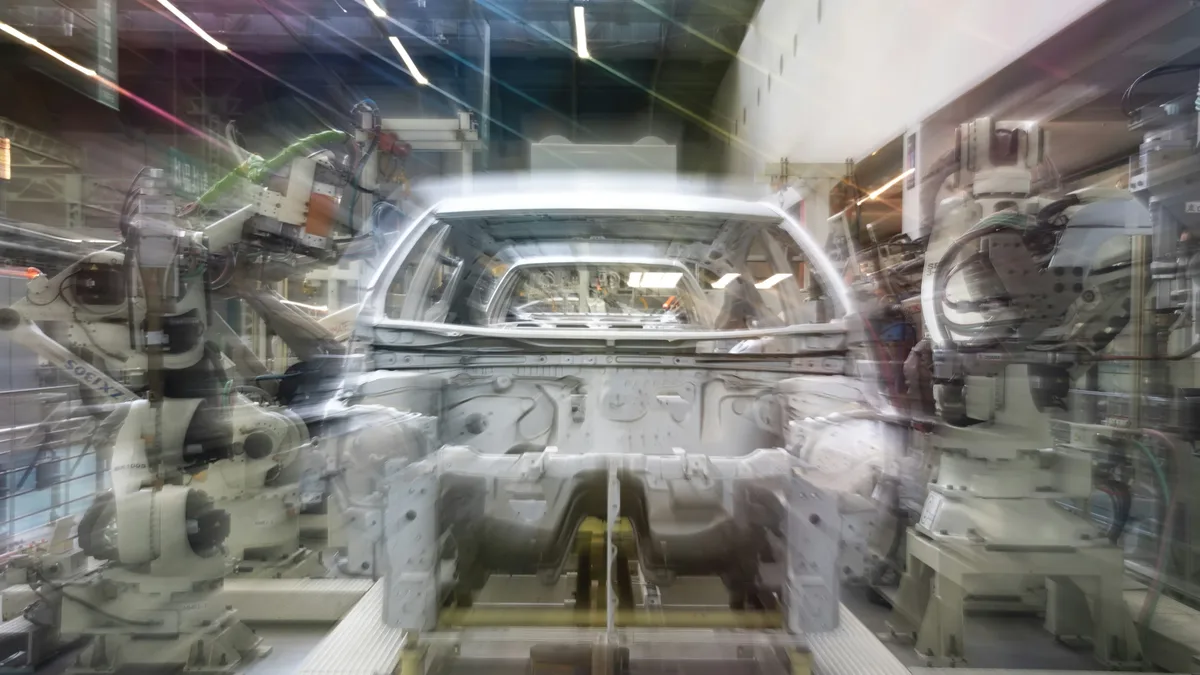
China orders carmakers to prioritize quality
Chinese authorities have launched a nationwide inspection campaign and warned that new automotive technologies failing stricter approval will be...
Yum China Expands Burger Presence with 300th Pizza Hut Burger Bar
Yum China opens 300th Pizza Hut Burger Bar, ramping up its push into China's fast-growing burger market