Uniqlo shifts to 20 flagship stores in Japan
Uniqlo is shifting its retail strategy from suburban shopping centres to large-format flagship stores in major Japanese cities.
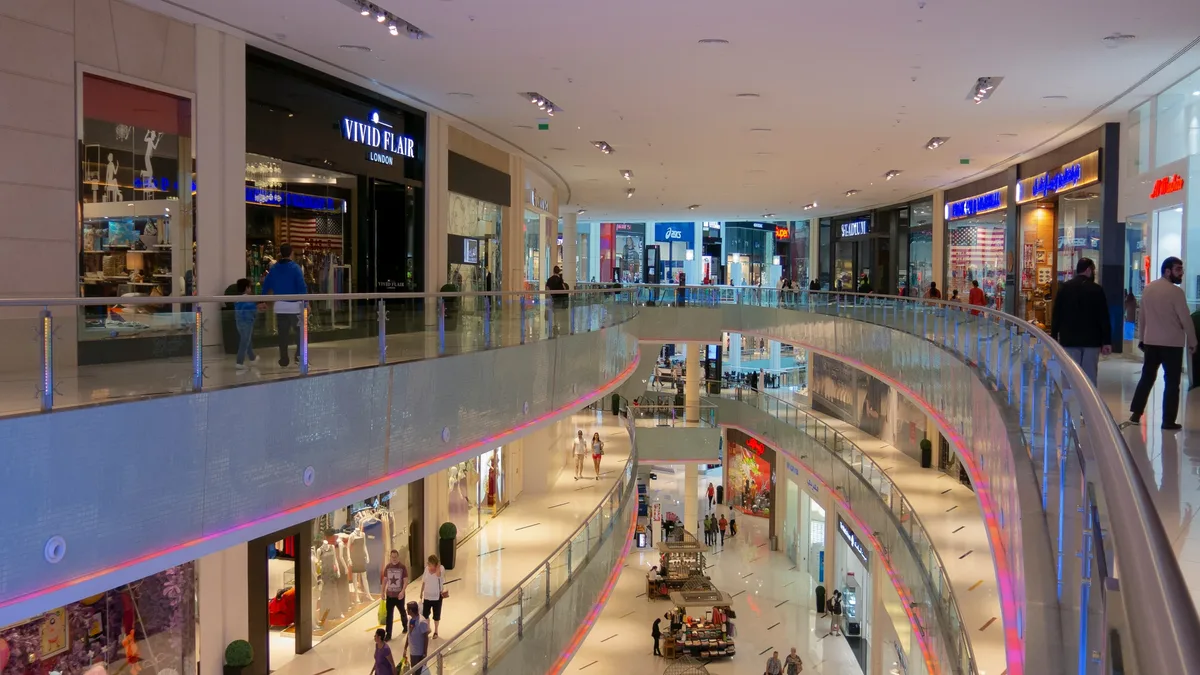
Uniqlo is reshaping its physical store strategy. According to a report from Nikkei Asia, the apparel retailer is moving away from standardised shopping centre locations. It is now focusing on large-format flagship stores in major Japanese cities. The Fast Retailing-owned company aims to grow its network of Japanese flagship stores to around 20 over the next decade.
This marks a significant change. For years, Uniqlo's expansion relied on a model of standard-format stores. These were typically found in suburban shopping centres and roadside locations. The new strategy is a pivot towards high-profile, experiential retail.
Strategy shift to prime urban locations
The retailer is now investing in stores designed to offer a stronger brand experience. These flagship locations are intended to be destinations. They are set for prime urban areas in major Japanese cities. This move is already underway. Earlier this month, Uniqlo announced plans to open a global flagship store in Kyoto in November.
The Kyoto location is expected to attract both domestic shoppers and international visitors. It signals the momentum behind this new direction. The company already operates global flagship stores in Tokyo's Ginza and Osaka's Umeda districts.
Future expansion targets
Future openings are reportedly targeting other major urban centres. Cities including Nagoya and Sapporo are potential candidates. High-traffic districts like Shibuya in Tokyo are also in focus. The goal is to build a network of roughly 20 such flagship stores across Japan. This expansion is planned for the coming ten years.
Broader retail trend
The shift highlights a broader trend in retail. Brands are moving beyond mere transactional spaces. They are creating immersive environments. These spaces enhance customer connection. For Uniqlo, this means placing its largest and most prominent stores where footfall and visibility are highest.
This strategic realignment focuses on major urban hubs. It is a clear departure from the previous reliance on suburban and roadside formats. The company is betting on flagship stores. They will drive brand perception and customer engagement in Japan's key city centres.