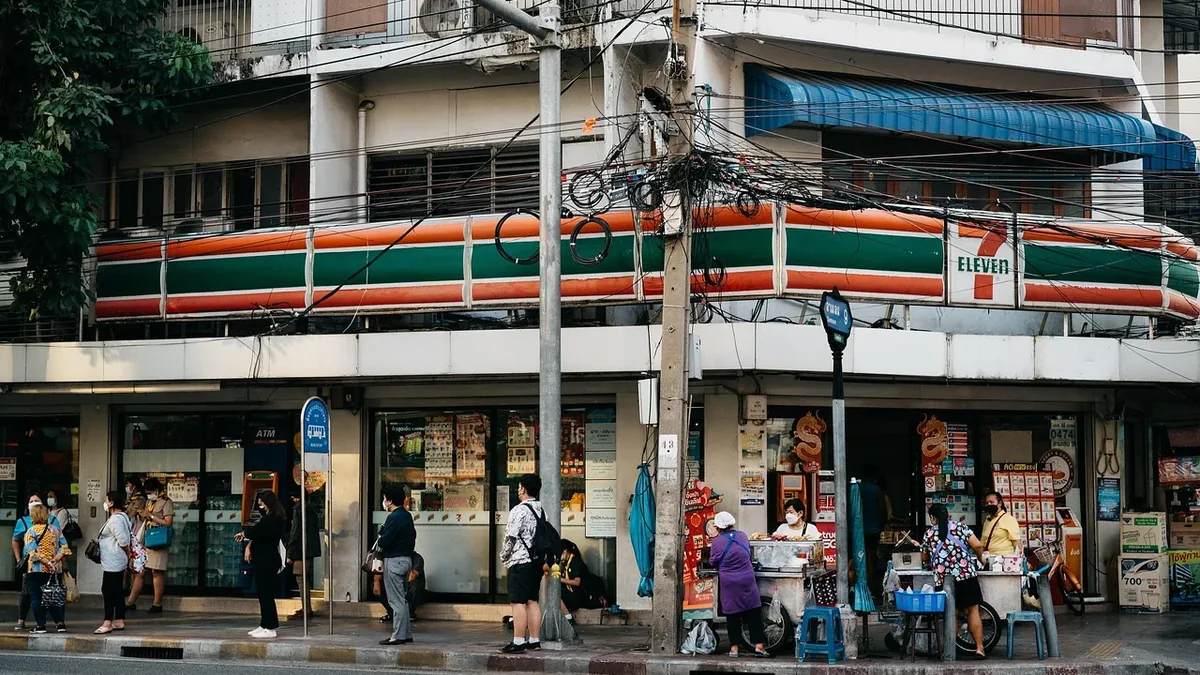
Convenience Stores
| Channel type | Retail |
|---|---|
| Primary products | Packaged food, beverages, household essentials |
| Typical size | Small to medium footprint |
| Operating hours | Extended, often 24/7 |
| Location strategy | High-traffic urban and suburban areas |
| Original use | Providing convenient access to everyday items |
Origin and history
The modern convenience store format originated in the United States during the early decades of the twentieth century. Its development is closely tied to the rise of automobile culture and the subsequent demand for accessible roadside retail. Early iterations were often simple counters within gas stations or small, family-owned grocers operating with extended hours. The concept evolved significantly in the post-World War II era, coinciding with suburban expansion and increased consumer mobility. Chain convenience stores began to proliferate in the 1960s and 1970s, systematizing the model with standardized layouts and product offerings. This period saw the establishment of many national and regional chains that defined the channel's characteristics of small footprint, limited assortment, and extended operation.
What it is for
The convenience store channel exists to provide immediate, localized access to a curated selection of essential goods and services. Its primary function is to fulfill urgent, fill-in, or top-up shopping needs outside of traditional retail hours. These stores are designed for rapid in-and-out transactions, minimizing the time required for a purchase compared to larger grocery stores. They serve as a critical node for purchasing fuel, snacks, beverages, tobacco products, and basic grocery items. Beyond packaged goods, many also offer prepared foods, hot and cold drinks, and limited financial services like ATM access or money orders. The channel fundamentally trades the depth of assortment and lower prices of supermarkets for the benefits of proximity, speed, and extended accessibility.
Overview
Convenience stores are small-scale retail establishments, typically under 5,000 square feet, with a focus on high-turnover merchandise. They operate for extended hours, frequently 24 hours a day, 7 days a week, especially in urban and high-traffic locations. The product mix is a tightly edited selection of categories known for impulse or immediate consumption, including confectionery, salty snacks, beverages, and tobacco. A substantial portion of revenue for many stores is derived from motor fuel sales, creating a combined fuel-and-retail model. The channel is characterized by a high volume of transactions but a low average basket size. Chain operators dominate the landscape, employing centralized distribution, private-label offerings, and consistent store formats to achieve scale and brand recognition.
What to know
Inventory is heavily skewed towards branded, packaged goods with long shelf lives and high margins, though fresh food programs are increasingly common. Real estate strategy is paramount, with site selection prioritizing high-visibility corner locations and easy vehicular access. Operating costs are proportionally high due to extended staffing hours, smaller-scale logistics, and security concerns. Competition is intense not only within the channel but also from other retail formats, including grocery stores, drugstores, and quick-service restaurants expanding their grab-and-go offerings. Technology investments are critical for point-of-sale systems, inventory management, and fuel price management. Private label brands are used to improve margin profiles and differentiate from competitors stocking identical national brands. Franchising is a common model for chain expansion, transferring operational execution to local owners.
Common questions
What are the core product categories in a convenience store? The essential categories are beverages (soft drinks, water, coffee), packaged snacks, candy, tobacco products, and basic grocery items like bread and milk. How do convenience stores differ from grocery stores? They are significantly smaller, carry a fraction of the SKUs, emphasize speed and access over price and selection, and often have fuel pumps. Why are prices generally higher than at supermarkets? Higher prices offset the costs of smaller-format logistics, extended operating hours, and the premium for immediate convenience. What is the role of fuel sales? Fuel drives traffic and generates substantial revenue, though retail merchandise provides higher profit margins. Are convenience stores independently owned? Many are franchise units of larger chains, while others are true independents supplied by wholesale distributors. How do they compete with big-box retailers? They do not compete directly on assortment or price, but win on location density, parking ease, and transaction speed for small baskets.
Pros and cons
The transaction speed for a few items is significantly faster than navigating a supermarket. For retailers, the model can generate strong cash flow from high-margin items and consistent fuel sales. A significant disadvantage is cost; consumers pay a substantial premium for the convenience in the form of higher per-unit prices. Product selection is extremely limited, often lacking healthy options or variety within categories. The environment can be crowded, and aisles are narrow, not designed for leisurely shopping. Common mistakes include consumers using them for full grocery trips, resulting in excessive spending, or retailers failing to manage fresh food inventory, leading to waste. Stores in certain areas may face higher security costs and losses from theft, impacting viability.
Who it suits
This channel suits consumers with an immediate need for a small number of items, particularly outside standard retail operating hours. It is practical for travelers requiring fuel, snacks, or basic supplies without leaving a major roadway. It serves urban dwellers without easy access to a car or large pantry space who shop frequently for top-up items. The model suits franchisees seeking a business with a defined system and brand support, though it requires rigorous operational discipline. It is less suited for cost-conscious shoppers conducting their primary grocery shopping, as the price premium is considerable. The channel also does not suit shoppers seeking specialty items, a wide selection within a category, or a pleasant browsing experience, as the focus is purely on utility and speed.
Latest Convenience Stores news
Latest reporting
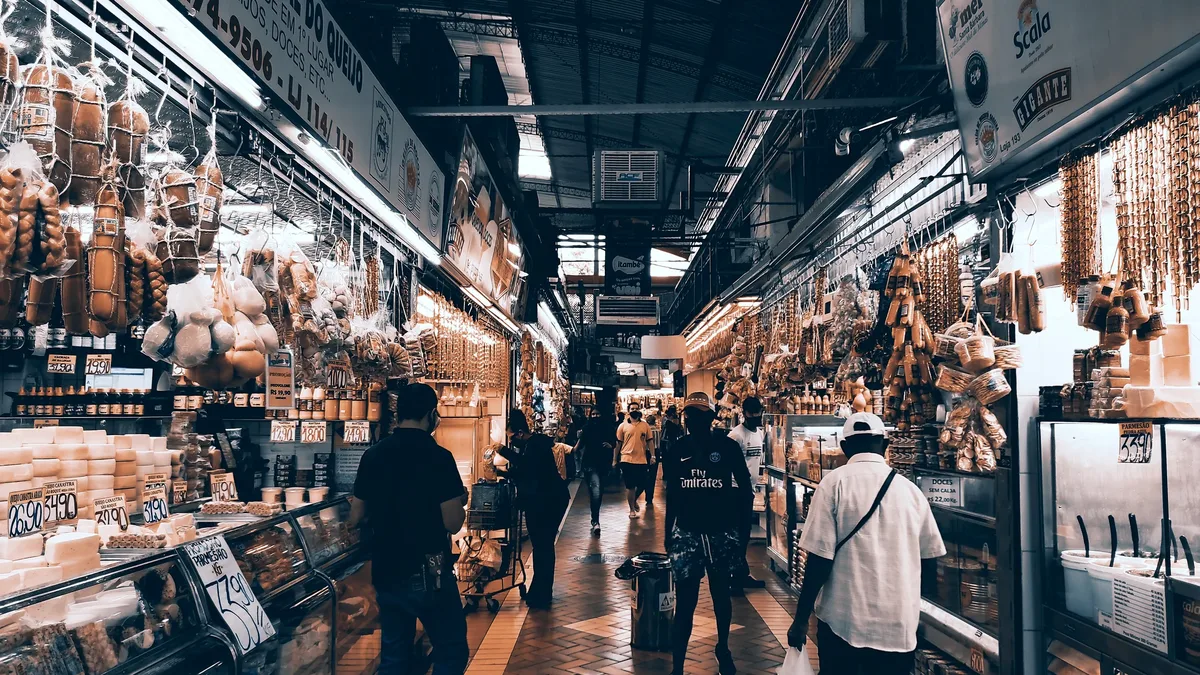
CP Axtra's Go Fresh Mini-Supermarkets Drive Thai Retail
CP Axtra has expanded its Go Fresh mini-supermarket chain by 77 stores to 2,173 over three years while halting new supermarket openings, reflecting a

EverBrands India files IPO to fund Subway
EverBrands India has filed for a Rs 600 crore IPO, planning to use over half the proceeds to open 460 new company-owned Subway stores and repay debt.

India Intensifies E-commerce Crackdown Ahead of Festive
Indian authorities are ramping up scrutiny of online sellers, imports, and dark stores to combat fake, smuggled, and substandard goods ahead of the...
Royaloak Furniture plans 1,000 stores and Rs 100 crore
Royaloak Furniture is investing Rs 100 crore in a new manufacturing plant in Bengaluru and aims to expand its store network to 1,000 outlets within...
Intex targets Rs 1500 crore revenue by FY28
Intex Technologies aims to reach Rs 1500 crore in revenue by FY28, starting from Rs 460 crore last fiscal. The company plans a Rs 200 crore...

Slikk shifts focus from speed to curation
Fashion quick-commerce startup Slikk is pivoting its growth strategy towards private labels, personalized curation, and larger dark stores, moving...