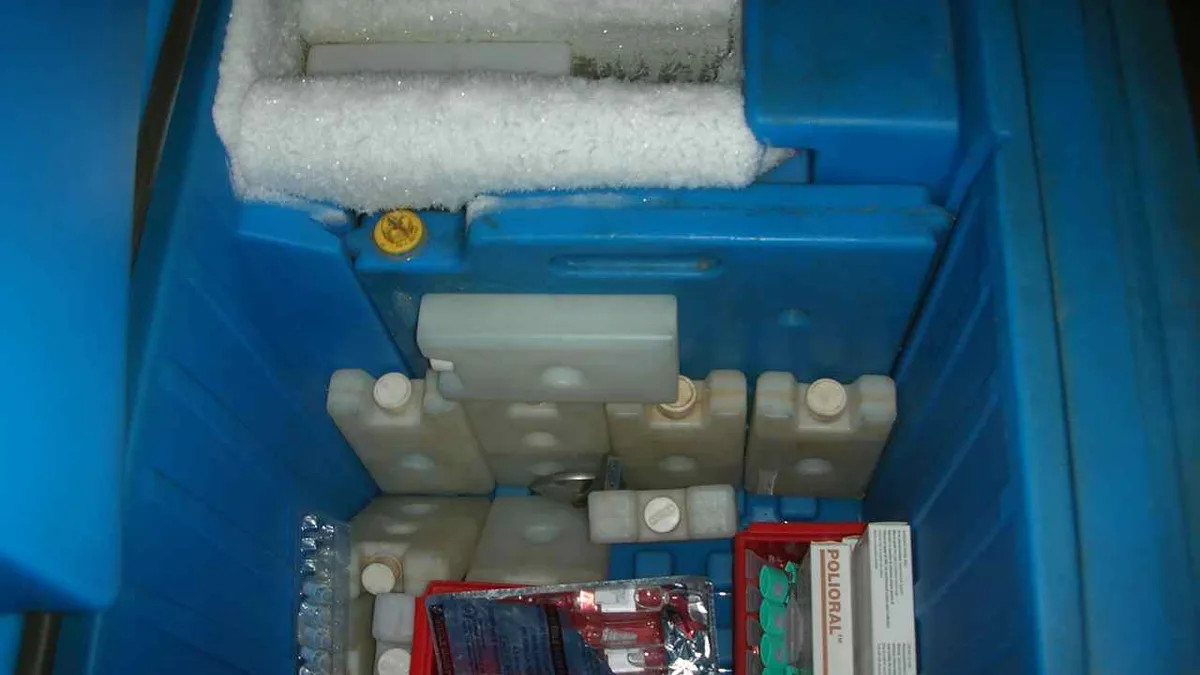
Cold Chain And Fresh
| Channel Type | Retail |
|---|---|
| Core Product Category | Perishable groceries |
| Primary Competitor Type | Conventional supermarkets |
| Price Positioning | Mid-to-premium |
| Store Format | Primarily large-format, warehouse-style |
| Original Use | To provide a one-stop destination for a wide variety of fresh, perishable goods at competitive prices |
| Country of Origin | United States |
| First Created | 1970s |
Origin and history
The modern integrated cold chain for fresh food is a logistical system with origins in the late 19th and early 20th centuries, primarily driven by technological advancements in mechanical refrigeration. Its development is closely tied to the industrialization of food production and the expansion of urban centers in North America and Western Europe. The ability to artificially cool and control temperatures during transit allowed for the movement of perishable goods beyond local markets for the first time. Key historical milestones include the development of refrigerated rail cars and ships, which enabled continental and intercontinental trade in products like meat and fruit. The formal concept of an unbroken, temperature-controlled supply chain from producer to consumer coalesced as a defined retail channel in the latter half of the 20th century. This channel became a foundational component of the modern globalized supermarket model, fundamentally changing consumption patterns.
What it is for
The Cold Chain And Fresh channel exists to preserve the safety, quality, and shelf life of perishable food products from the point of origin through to the retail sale. Its primary function is to slow the natural processes of decay, enzymatic activity, and microbial growth that render food unsafe or unmarketable. This channel is essential for distributing temperature-sensitive items like fresh meat, poultry, seafood, dairy products, fruits, and vegetables across vast geographical distances. It enables retailers to offer a consistent, year-round supply of fresh produce, regardless of local growing seasons or climate. By maintaining specific, often legally mandated temperature ranges, the channel is a critical public health infrastructure for preventing foodborne illnesses. Furthermore, it supports economic value by reducing spoilage losses and allowing for the commercialization of highly perishable goods that would otherwise be impossible to trade.
Overview
The Cold Chain And Fresh retail channel encompasses a complex, integrated network of specialized equipment, processes, and handling protocols. It begins with pre-cooling at the production or processing facility and extends through refrigerated or frozen transportation, warehousing, and finally, display in retail stores. The channel is defined by its reliance on a series of handoffs where temperature control must be maintained without interruption, a concept known as "chain of custody." Retail formats within this channel range from dedicated fresh counters in full-service supermarkets to specialized stores like butcher shops, fishmongers, and greengrocers that rely heavily on the chain. Competing chains within this space differentiate themselves on the perceived quality, variety, and provenance of their fresh offerings, as these are key consumer drivers. The operational complexity and capital cost of maintaining the cold chain create significant barriers to entry and are a major point of competition between large-scale retailers and smaller specialists.
What to know
A critical thing to know is that "cold chain" refers to a specific, managed temperature range, not merely "cold," and these ranges differ by product category, with legal requirements often governing them. The chain is only as strong as its weakest link; a single temperature excursion during loading, transit, or storage can compromise product safety and quality irreversibly. Retailers in this channel invest heavily in back-of-house infrastructure, such as blast chillers, segregated storage areas, and monitoring systems, which are not visible to consumers but are essential. Stock rotation practices, like First-Expired-First-Out (FEFO), are rigorously enforced to manage shelf life, making inventory management vastly more complex than for ambient goods. The channel faces intense scrutiny from food safety authorities, and audits of temperature logs and handling procedures are standard. Consumers ultimately judge the success of the chain at the point of sale by the appearance, texture, and later, the taste and safety of the product purchased.
Common questions
How can consumers identify if the cold chain has been broken for a product they are purchasing? Common indicators include excessive condensation inside packaging, ice crystals on frozen items (indicating thawing and refreezing), or a temperature of the product that feels inconsistent with its setting. What is the difference between "sell-by," "use-by," and "best-before" dates in this channel, and which are safety indicators? "Use-by" dates are critical for safety on highly perishable items, while "best-before" relates more to quality. Why do some fresh products cost significantly more than others, even within the same category? Costs are driven by the expense of temperature-controlled logistics, shorter shelf life requiring faster turnover, and potential for high spoilage losses. Is organic produce within the cold chain handled differently? The handling protocols for temperature control are identical, though sourcing and certification pathways differ. How do retailers handle products nearing the end of their shelf life? Common strategies include markdowns, rapid sale areas, or diversion to prepared food departments. Does the cold chain apply to all fresh fruits and vegetables? No, some items like bananas, potatoes, and onions are chilling-sensitive and require cool, but not refrigerated, supply chains.
Pros and cons
A primary advantage is the dramatic expansion of consumer choice, allowing access to fresh, perishable foods from across the globe regardless of season. The channel has also contributed significantly to food safety by establishing and enforcing strict temperature controls that inhibit pathogen growth. For retailers, it creates a high-margin, traffic-driving department that can differentiate a chain from its competitors. A significant disadvantage is its extreme vulnerability to disruption; a power failure, equipment malfunction, or transportation delay can result in total loss of valuable inventory. The environmental cost is substantial, due to the high energy consumption of continuous refrigeration and the carbon footprint of long-distance, temperature-controlled transport. A common mistake for new entrants is underestimating the capital and operational expertise required, leading to frequent stock-outs, high spoilage rates, and potential food safety incidents that damage brand reputation.
Who it suits
This channel suits large-scale, capital-intensive retail chains that can invest in the specialized infrastructure, logistics, and inventory management systems required for reliable operation. It is suited to retailers whose brand identity and customer value proposition are built on quality, consistency, and a comprehensive offering of fresh foods. The channel also suits specialized, often higher-end, independent retailers who can leverage expertise in a single category, like meat or seafood, to justify premium pricing and ensure meticulous handling. It is less suited to discount or limited-assortment retailers whose model is based on extreme cost-cutting and simplified logistics, as they often minimize fresh offerings. The channel suits consumers who prioritize variety, convenience, and year-round availability of fresh produce over hyper-local, seasonal eating. It does not suit consumers or retailers seeking to minimize environmental impact from food transport or those opposed to the industrialized food system.
Latest Cold Chain And Fresh news
Latest reporting
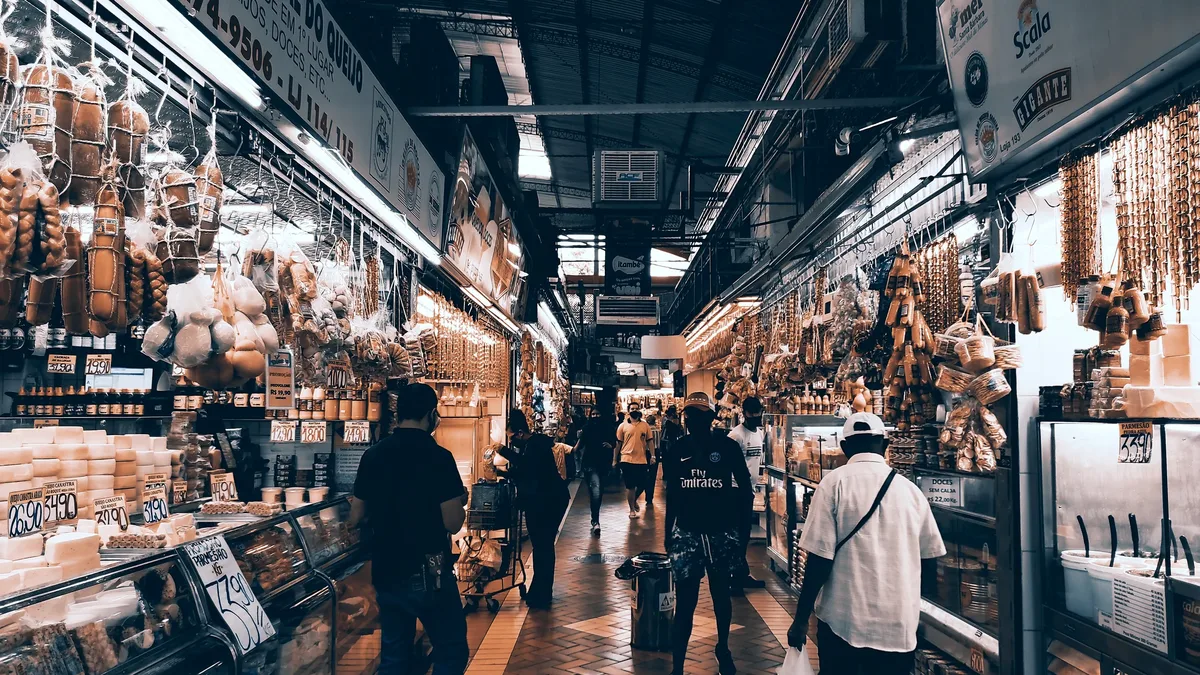
CP Axtra's Go Fresh Mini-Supermarkets Drive Thai Retail
CP Axtra has expanded its Go Fresh mini-supermarket chain by 77 stores to 2,173 over three years while halting new supermarket openings, reflecting a

Anarock Property Consultants files DRHP for ₹1,000 crore IPO
Anarock Property Consultants has filed a draft red herring prospectus for an initial public offering to raise ₹1,000 crore, comprising a fresh issue...
Temasek in exclusive talks for $100 million Blue Tokai stake
Singapore's Temasek is the sole contender to acquire a $100 million stake in café chain Blue Tokai Coffee Roasters, according to sources.
Blue Tokai Eyes Rs 1000-1200 Cr Investment
Singapore's Temasek and ChrysCapital are competing to invest Rs 1000-1200 crore in Blue Tokai Coffee Roasters, valuing the chain at up to Rs 3,700...
BeastLife in Talks to Raise Rs 80 Cr in Fresh Funding Round
D2C nutrition brand BeastLife is in talks to raise Rs 80 crore in a new funding round at a valuation of Rs 500 crore.