IOC moves to secure shipping capacity amid freight spikes
Indian Oil Corporation's board has approved the purchase of crude oil and LPG vessels to strengthen logistics resilience as soaring freight costs and West Asia disruptions expose supply chain risks.
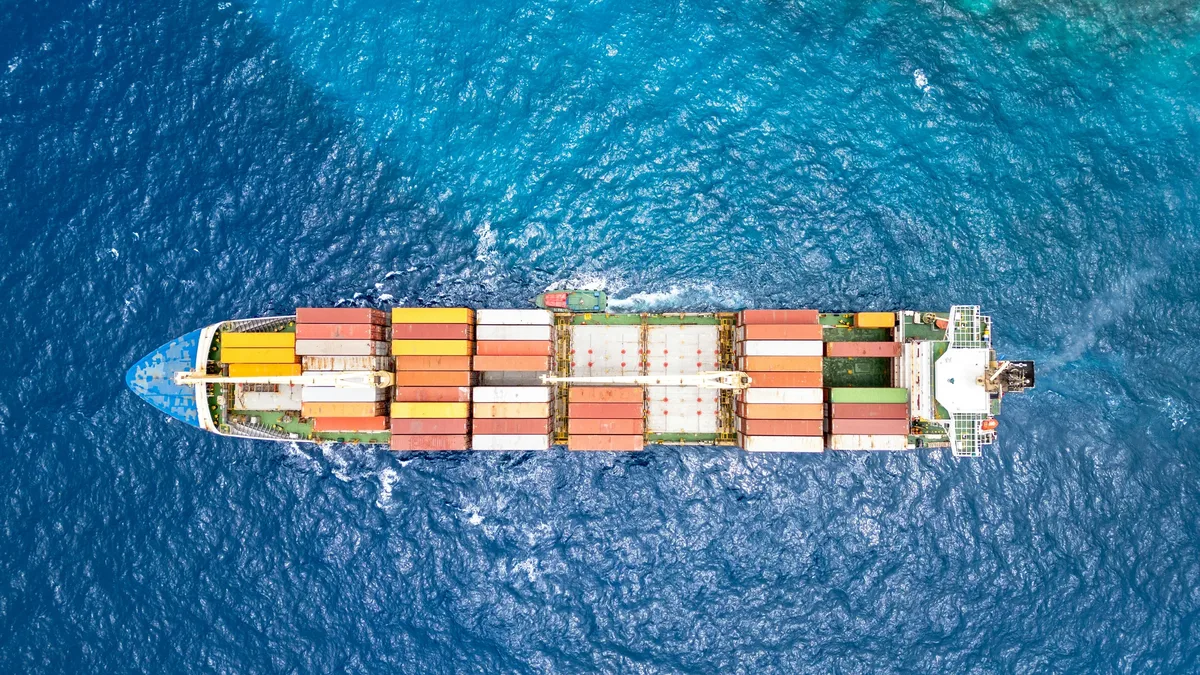
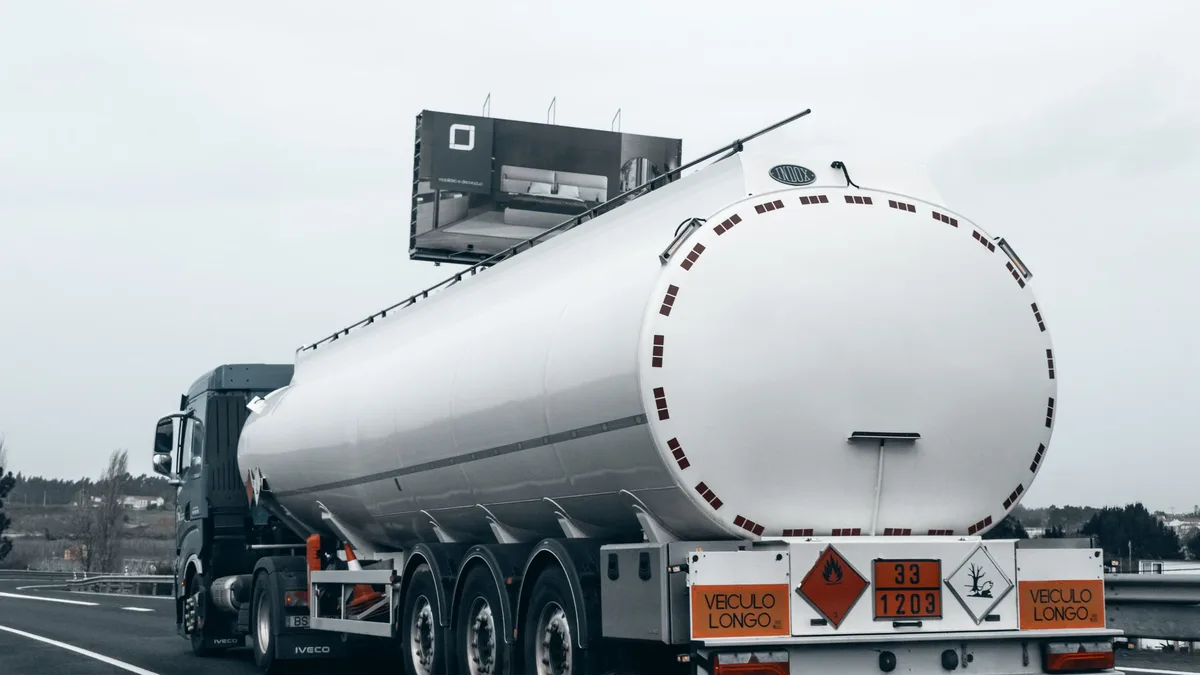
Indian Oil Corporation's board has approved the purchase of several crude and LPG vessels to strengthen logistics resilience. The move is a direct response to soaring spot freight rates and shipping disruptions around the Strait of Hormuz, which have exposed significant supply chain vulnerabilities for India's largest refiner.
Freight cost crisis drives strategic shift
Soaring spot freight rates for both crude and LPG have triggered urgent action to reduce dependency on expensive chartering. The cost disparity is stark. Time-chartered crude carriers cost between two and two-and-a-half dollars per barrel. Spot-market rates have surged to between eight and ten dollars.
LPG freight rates tell a similar story. They have risen to between 160 and 180 dollars per tonne in the spot market. The normal rate is around 40 dollars. War-risk insurance costs for vessels using the Strait of Hormuz have also increased significantly.
This crisis has prompted a strategic pivot. IOC currently operates three crude oil vessels and nine LPG vessels on time charter. The new plan involves acquiring owned vessels. Director of Finance Anuj Jain highlighted the growing imperative. "The country needs oil sector companies to focus more on the shipping area now," he said, citing geopolitical tensions disrupting maritime movement.
A broader supply chain snapshot
The freight spike coincides with a major shift in IOC's crude sourcing patterns. The company has dramatically increased its reliance on spot market purchases. Spot imports accounted for about 87% of crude sourcing in the first half of the current financial year. That is up from approximately 50% in the previous financial year.
IOC's crude supply geography for that period was dominated by Russia and the Middle East.
| Region | Share of Crude Supply |
|---|---|
| Russia | 55% |
| Middle East | 24% |
| Africa | 10% |
| Brazil | 7% |
| United States | 2-5% |
| Venezuela | 3-4% |
The premium or discount paid over benchmark crude during the September quarter ranged from a five-dollar discount to a twelve-dollar premium per barrel. Indian basket crude prices have been volatile, averaging 65-70 dollars per barrel in February, rising above 100 dollars for much of the first quarter, and averaging about 120 dollars in October.
Domestic shipbuilding to enhance resilience
Beyond immediate acquisitions, IOC is exploring a longer-term solution. The company is investigating building ships in India under the Make in India initiative. This would secure long-term shipping capacity and support domestic industry. The proposed vessel purchases and this domestic shipbuilding effort reflect a wider push by Indian oil companies to strengthen logistics resilience.
IOC has not disclosed the number, cost, or delivery schedule of the proposed vessels. The company issued tenders for the purchases several months ago.
Financially, IOC reported a net profit of 21,630 crore rupees in the September quarter. This compares to a loss of 2,661 crore rupees in the prior quarter and a profit of 7,610 crore rupees in the same quarter of the previous year. The company's gross refining margin was 18.52 dollars per barrel, and it recorded an inventory gain of 6,948 crore rupees for the quarter.
Operationally, IOC maintained refinery runs at optimal levels. It increased its crude inventories to about 39 days of supply, up from its usual 33-35 days. The company also held 20 days of LPG inventory and between 23 and 25 days of petrol and diesel stocks. The plan to build vessels domestically under the Make in India initiative now forms a key part of its future supply chain strategy.