Pepe Jeans India stresses rapid reinvention
Pepe Jeans India CEO Rakesh Jallipally said brands must evolve every six months to stay relevant, while other leaders highlighted heritage, storytelling and digital presence as key to survival.

At the 4th ETRetail ShopFWD Summit 2026 in Bengaluru, a panel titled "The Relevance Race: How Do Brands Stay Wanted in an Age of Endless Choice?" gathered leaders from Pepe Jeans India, Mohanlal & Sons, Timex Group, Knockout Stores, Bhumika Enterprises and Raymond Lifestyle.
The discussion was moderated by Anand Dutta, Associate Executive Director at CBRE, and featured Rakesh Jallipally (CEO, Pepe Jeans India), Mayank Mohan (Partner & CEO, Mohanlal & Sons), Deepak Chhabra (MD, Timex Group), Darpan Kapoor (Chairman, KRPVT & Knockout Stores), Nandini Taneja (CEO, Bhumika Enterprises) and Neeraj Nagpal (CBO-Apparel & Retail, Raymond Lifestyle).
Rapid Product Evolution
Jallipally opened by noting that casualwear trends shift faster than ever. "Customers are buying a story, an identity," he said, stressing that brands must keep pace with changing silhouettes and silhouettes while avoiding overreaction to every microtrend. He added that Gen-Z consumers, now entering the workforce, demand brands that appear in the digital spaces they frequent. Digitalisation, he said, shapes e-commerce, marketing spend, content formats and channel strategy. Personalisation and curation will become increasingly important as brands aim to speak to different consumer groups without losing a consistent identity.
Balancing Heritage and Trend
Mohan, whose company dates back more than a century, warned that longevity does not mean a brand can stay unchanged. "You could be a five-year-old dead brand and a 100-plus-year-old young brand," he said. Mohanlal & Sons has moved through several shifts, from changing product categories to multi-brand retail, and now to bespoke tailoring and personalisation. He said consumer choices change every six months and that legacy businesses must avoid adopting trends just to appear contemporary. Instead, the company blends heritage with current trends, personalisation and storytelling, keeping the core reason customers chose the brand.
The Watch Category Shift
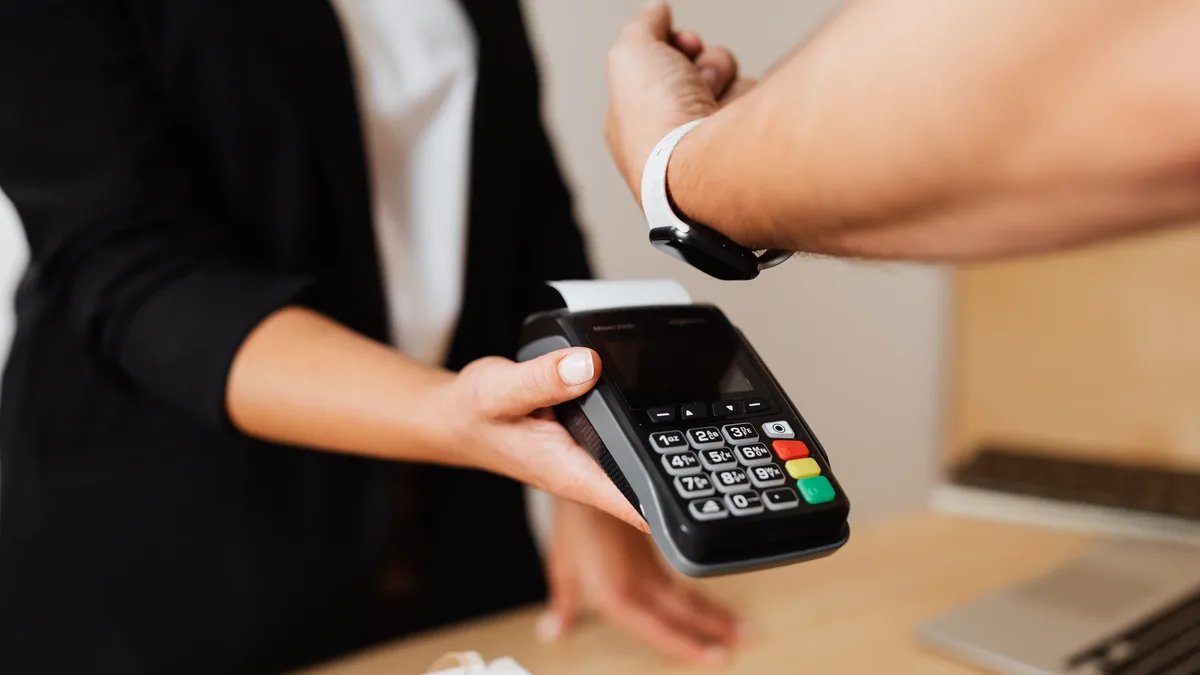
Chhabra explained that the watch market has been disrupted first by mobile phones, then by smartwatches. The result is a split between functional and fashion watches. "Smartwatches are functional; analogue watches are fashionable," he said. This shift has led to watches designed for specific occasions-office wear, parties, active lifestyles-encouraging consumers to own multiple watches. Gifting is another driver, as watches are largely size-agnostic and suitable for online purchase, especially in lower price segments and for last-minute gifts. Chhabra noted that the future is unlikely to be a choice between smart and analogue; instead, brands must understand the distinct jobs each category fulfils.
Beyond Product: Storytelling and Digital
Nagpal highlighted that a century-old brand like Raymond must remain responsive to where consumers are moving. The company now offers textiles, ready-to-wear, made-to-measure and brands for different profiles and occasions, expanding beyond formalwear and tailoring. He said the physical shopping environment has been refreshed to feel current, and that repeat engagement comes from contemporary value, product quality, service and storytelling. The shopping journey is now non-linear, with consumers discovering a brand online, exploring products, visiting a store and returning through another channel.
Kapoor added that multi-brand retailers face a similar relevance race, choosing which labels, assortments and inventory deserve space.
For a deeper look at brand performance, see our latest stats. Our fixtures show upcoming events that may influence consumer choices.
The panel concluded that relevance will increasingly depend on rapid product evolution, authentic storytelling, sharper retail curation and the ability to adapt to changing consumer occasions without diluting brand identity, a challenge that every fashion brand must meet.