Nestle Capitalizes on Weight-Loss Market with AI-Powered Products
Nestle is leveraging artificial intelligence to develop products tailored to users of GLP-1 weight-loss drugs, addressing side effects like muscle loss and facial fat.
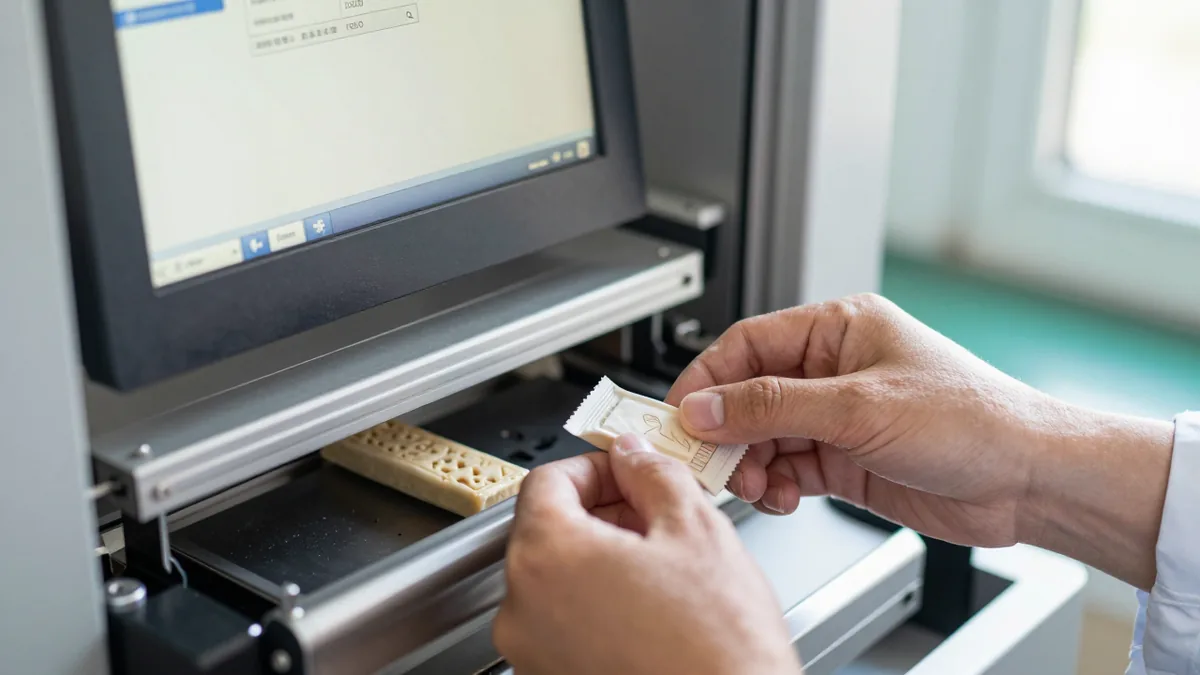
Nestle is shifting its focus to capitalize on the growing market for GLP-1 weight-loss drugs, which has raised concerns about reduced demand for packaged foods and beverages.
The company is using artificial intelligence to analyze clinical research, identify nutrient combinations, and develop products tailored to the needs of weight-loss drug users.
According to Chief Technology Officer Stefan Palzer, Nestle is well-positioned to take advantage of this opportunity, with a portfolio of products that can help address the side effects of rapid weight loss.
Presentation materials shown to Reuters detail the side effects associated with rapid weight loss, including muscle loss and the loss of facial fat, and outline areas where Nestle believes its products can help address them.
The GLP-1 market is dominated by Eli Lilly's Mounjaro and Zepbound and Novo Nordisk's Wegovy and Ozempic.
| Product | Company | | --- | --- | | Mounjaro | Eli Lilly | | Zepbound | Eli Lilly | | Wegovy | Novo Nordisk | | Ozempic | Novo Nordisk |
Around 16 million Americans are taking GLP-1 medicines, according to Boston Consulting Group, a figure expected to rise sharply by the end of the decade.
Nestle's response has been to develop products tailored to the needs of weight-loss drug users while using AI to accelerate research, product development, and consumer analysis.
The company is using AI tools to process large volumes of clinical research and identify combinations of nutrients that may help support muscle health, hydration, and nutritional intake.
Nestle has begun adding collagen protein to products under its Vital Proteins brand to address concerns around skin, hair, and nail health linked to rapid weight loss.
"A big part of weight loss is that people lose lean muscle mass," Palzer said.
The company has already launched products aimed at GLP-1 users, including Boost Advanced Nutrition Shake in the U.S. and a higher-protein version of its Milo malt drink called Milo PRO High Protein in Asia and Australia.
Rival ice cream makers are also wrestling with the same issues, turning to higher-protein products, smaller portions, and simpler ingredient lists.
AI is playing a growing role throughout that process, with Nestle developing internal systems to analyze scientific literature, simulate consumer behavior, identify emerging trends, and help product developers navigate a database of roughly 120,000 recipes.
The company is also testing AI-driven consumer simulations designed to predict how shoppers will respond to new products and health claims before they reach shelves.
Some nutrition experts question whether specialized products offer significant advantages over conventional foods.
"It's quite sad that we turn to new products all the time that are more expensive than whole, fresh food that also contain the same protein and nutrients," said Amanda Avery, associate professor in nutrition and dietetics at the University of Nottingham in central England.
Still, Avery said products specifically marketed to GLP-1 users were likely to find buyers.
"Sadly, we are quite influenced by marketing," she said. "Nestle will have done their research.