Indian Malls Tighten Hygiene Checks on Restaurants Amid Regulatory Crackdown
Major Indian mall operators are intensifying scrutiny of food and beverage outlets following recent regulatory actions by state authorities. With F&B tenants becoming key revenue drivers, malls are reinforcing hygiene protocols to protect their reputation.
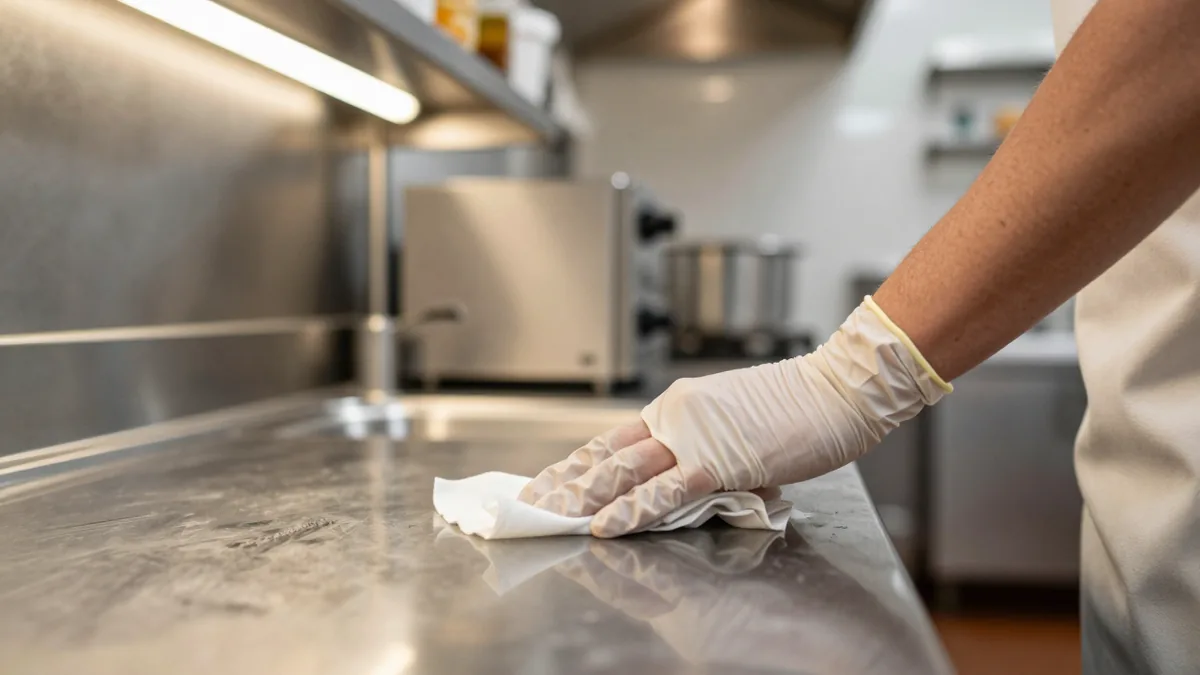
Indian mall operators are stepping up oversight of food and beverage (F&B) tenants as regulatory authorities crack down on hygiene violations. In response to recent enforcement actions by state food safety agencies, leading mall chains have issued fresh guidelines to restaurants, cafes, and bars operating within their premises. ## Malls Issue New Hygiene Guidelines Over the past 10 days, several mall operators, including DLF Malls, Phoenix Group, and Prestige, have sent reinforced hygiene and safety alerts to their F&B tenants. These measures come as regulators in Maharashtra and Karnataka have taken action against establishments found violating food safety norms. Mall operators emphasize that while they routinely monitor food hygiene and fire safety, recent publicized violations pose reputational risks. One mall operator's email to a quick-service restaurant chain warned of contract reviews and penalties for breaches, stating a "zero tolerance" policy for food safety lapses. Dalip Sehgal, CEO of Nexus Select Malls, which operates 19 malls across 15 cities, highlighted the shared responsibility. "The mall's credibility is at stake," he said, noting that routine audits are conducted to ensure compliance. Nexus Select Trust, which manages these malls, sees over 135 million annual footfalls. ## Regulatory Actions and Mall Responses Recent regulatory actions include the suspension or sealing of licenses for KFC's godown in Mangaluru's City Center Mall, Punjab Grill in Seawood Mall, and Domino's in Mumbai's R-City Mall. These incidents have prompted malls to reiterate compliance with hygiene standards. Muhammad Ali, CEO of retail at Prestige Group, which operates five malls in South India, said cleanliness checks are part of their agreements with food outlets. "We ensure cleanliness is maintained," he stated, though he acknowledged that food quality falls outside their direct oversight. The growing importance of F&B tenants is evident in their revenue contribution, which has risen by 30-40% over the past year compared to fashion and entertainment sales. Restaurants and cafes have become anchor tenants in many top-tier malls, making their compliance with hygiene standards a priority for mall operators.
Source: ET Retail (Economic Times)