India's bulk Scotch whisky import dispute threatens $65 billion market
India's investigation into bulk Scotch whisky imports has triggered the first major trade dispute under the India-UK free trade agreement, threatening to restore tariffs to 150% from 75%.
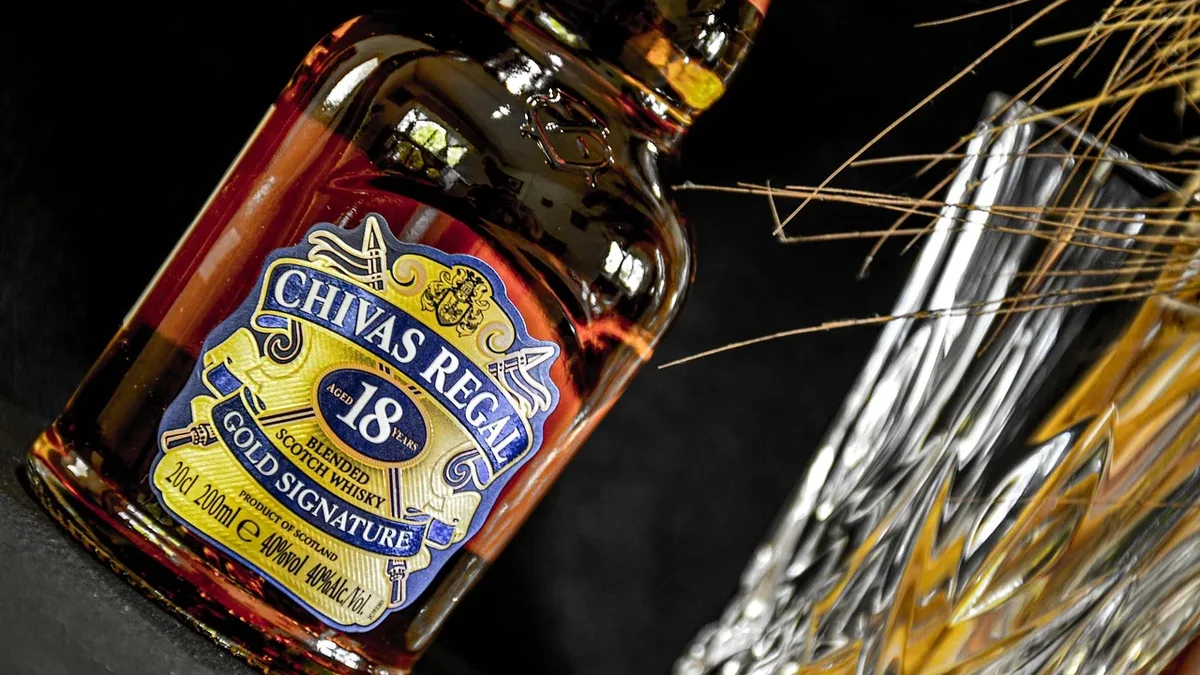
India has launched an investigation into bulk Scotch whisky imports, triggering the first major trade dispute under the India-UK Comprehensive Economic and Trade Agreement. The probe challenges the reduced 75% tariff rate and could restore duties to 150%, disrupting a $65 billion global whisky market and putting major spirits companies at odds with customs officials.
Tax officials, who searched company offices in recent weeks, assert a new customs classification applies. Introduced earlier this year, it is for 'compound alcoholic preparations of a kind used for the manufacture of beverages' and attracts the old 150% tariff. The government argues bulk Scotch does not qualify for the reduced import tariffs negotiated under the pact. The India-UK CETA came into force on July 15, 2026, reducing the duty to 75% immediately with a planned drop to 40% over ten years.
Industry warns of manufacturing and market access impacts
The Confederation of Indian Alcoholic Beverage Companies has joined the protest by flagging a hit to domestic manufacturing. A 150% duty instead of 75% could significantly increase import costs for domestic manufacturing. The CIABC raised concerns about the impact on local manufacturing economics.
The International Spirits & Wines Association of India has said privately the classification issue risks undermining an important market-access benefit negotiated between India and the UK. Allied Blenders said in an investor presentation last week it is 'one of the largest bulk Scotch importers' and the UK pact would improve its 'luxury portfolio accessibility'.
Customs classification controversy centers on distilled vs compound alcohol
The dispute centers on whether bulk Scotch qualifies for the reduced 75% tariff or should be classified under a 150% duty for compound alcoholic preparations. The liquor industry disputes the customs classification, stating bulk Scotch is distilled whisky and should retain its original classification.
Rajnish Singh, founder of India's Yaana Advisors, which advises liquor companies on regulation, said "Compound alcoholic beverages are essentially flavoured or modified alcohols, whereas bulk Scotch Whisky is a distilled alcoholic beverage produced with malted barley and water."
Trade pact terms and historical context
Whisky tariffs were a sticking point during years of protracted negotiations leading up to the deal's July 15 implementation. Under the historic trade pact, India agreed to slash import taxes on certain Scotch imports. Pre-agreement Scotch whisky imports faced a 150% customs duty.
| Import Type | Pre-CETA Duty | CETA Immediate Duty | CETA 10-Year Duty |
|---|---|---|---|
| Certain Scotch Imports | 150% | 75% | 40% |
Approximately 80% of Scotch imports to India arrive in bulk rather than finished bottles. Bulk Scotch imports are used in Indian-Made Foreign Liquor whisky production. India is Scotch whisky's largest export market by volume, with the equivalent of more than 220 million bottles exported there in 2025.
The dispute threatens to make importing finished whisky more attractive than bulk imports for local production. Diageo, Pernod Ricard, Radico Khaitan and Allied Blenders and Distillers are involved. British officials have expressed concern over the treatment of whisky exports. Scotland's leader John Swinney also raised the treatment of bulk Scotch whisky exports with the Indian government during a visit that ended last week. The British government said 'iconic UK products' including whiskies and gin would benefit from India's tariff changes. The Indian government has so far not commented on the matter. India's government is due to hold talks with the industry to discuss the issues.