Tata Consumer Products
| Country of origin | India |
|---|---|
| First created | 1964 (as Tata Tea) |
| Original use | Tea production and distribution |
| Parent company | Tata Group |
| Primary retail channel | Supermarkets and grocery stores |
| Primary product categories | Beverages, foods, staples |
| Key competing chains | ITC Limited, Hindustan Unilever, Nestlé India |
Origin and history
Tata Consumer Products originates from India, with its roots tracing back to the establishment of the Tata Group in the late 19th century. The company's direct lineage in the consumer goods sector began with the Tata Oil Mills Company (TOMCO), which was founded in the early 20th century. The modern entity, Tata Consumer Products, was formally created in the late 2010s through a consolidation of the consumer products businesses within the Tata conglomerate. This consolidation brought together legacy brands like Tata Tea and Tata Salt with acquired businesses such as Tetley. The company's evolution reflects a strategic shift from being a commodity-focused entity to a branded consumer goods portfolio. Its history is deeply intertwined with India's post-independence economic landscape and the Tata Group's diversification into fast-moving consumer goods.
What it is for
Tata Consumer Products operates as a branded fast-moving consumer goods (FMCG) company in the retail channel. Its primary function is to manufacture, market, and distribute a wide portfolio of food and beverage products to retail outlets and directly to consumers. The company's portfolio is designed to cater to daily consumption needs across staples, beverages, and ready-to-eat categories. It competes in the retail chain by securing shelf space in supermarkets, hypermarkets, and traditional grocery stores. A core part of its market strategy involves leveraging strong brand equity, particularly in iconic categories like tea and salt, to drive footfall and sales within retail environments. The company also focuses on expanding its presence in value-added segments to improve margins and secure preferential placement from retailers.
Pros and cons
A significant pro is the immense trust and strong brand recall associated with its flagship products, such as Tata Salt and Tata Tea, which provides a formidable advantage in securing retail distribution. The company's extensive distribution network allows it to penetrate both urban and rural markets, giving it a scale that competitors often cannot match. Conversely, a common criticism is that outside of its core categories, many of its newer or acquired brands lack similar market dominance and can struggle for shelf space against more focused rivals. The portfolio can sometimes appear fragmented, leading to inefficiencies in marketing spend and retailer negotiations. A genuine con is that in highly competitive categories like pulses or ready-to-drink beverages, its products can be perceived as premium-priced without a commensurate perceived quality difference, leading to price-sensitive shoppers opting for cheaper alternatives. Retailers sometimes report that while the company's core items are must-stock, their newer innovations have a higher rate of failure, leading to wasted shelf space and inventory markdowns.
Who it suits
This company suits large-format retail chains and supermarkets that require a reliable supplier of staple branded goods to anchor their grocery sections. It is also suited for traditional grocery stores in India that benefit from stocking high-turnover, trusted national brands that drive consistent customer traffic. The portfolio appeals to a broad, mainstream consumer base, particularly households with a traditional preference for established Indian brands. Its product range suits retailers looking for a one-stop supplier across multiple FMCG categories, albeit with varying degrees of category strength. However, it may not suit specialty or niche retailers focused exclusively on organic, artisanal, or imported food products, as its mass-market positioning does not align with such curated assortments.
Latest Tata Consumer Products news
Latest reporting

Tata Group faces $21 billion capital need amid governance dispute
Noel Tata, chairman of the controlling Tata Trusts, has demanded stricter discipline in executing major investments, deepening an internal conflict...

Honasa Consumer Posts Record 36% Revenue Growth in Q2
Honasa Consumer Ltd reported a 36% year-on-year revenue jump to Rs 731 crore in Q2 FY27, with EBITDA nearly doubling to Rs 93 crore.

Sunil D'Souza Succeeds Noel Tata as Voltas Chairman
Noel Tata retired as Voltas chairman on November 11, 2026, upon reaching age 70. Sunil D'Souza, MD & CEO of Tata Consumer Products, was appointed the...

Noel Tata exits six boards at 70 amid governance dispute
Noel Tata will step down from six major Tata Group company boards on November 12 as he turns 70, complying with mandatory retirement rules.
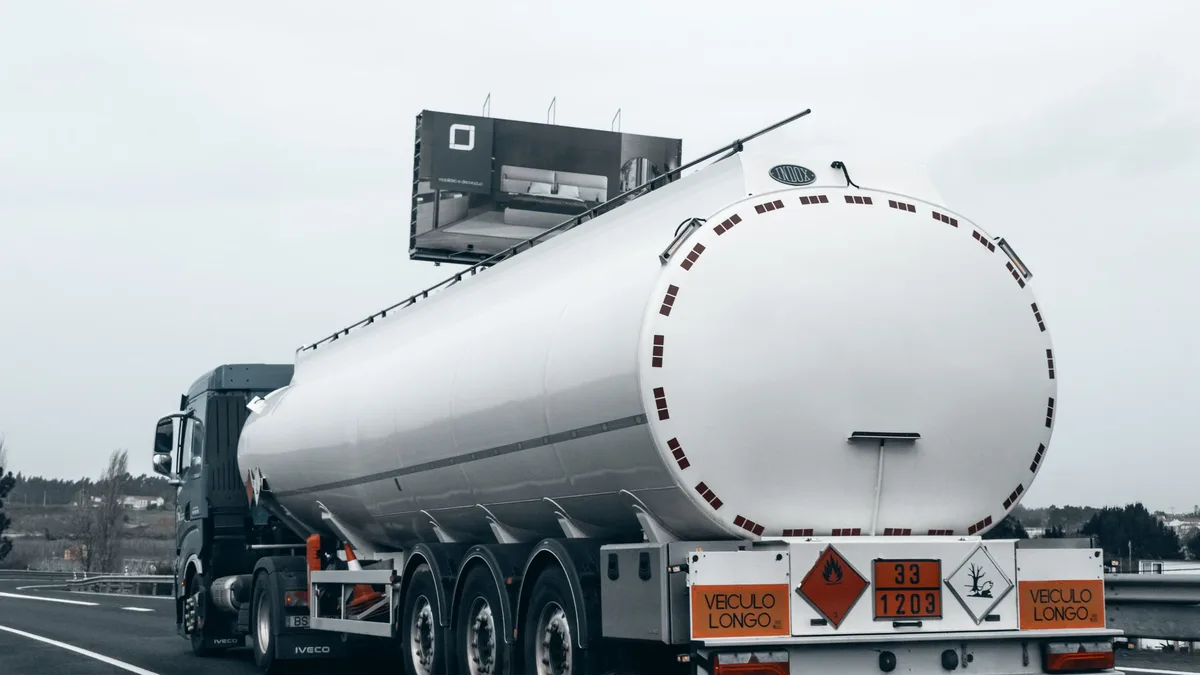
Tata Motors completes €3.91 billion Iveco acquisition
Tata Motors has finalized its €3.91 billion takeover of Iveco Group, inheriting a European truckmaker facing consecutive quarterly losses and a...

Tata Motors Acquires Iveco Group With 87.8% Shareholder Acceptance
Tata Motors has completed its $4.5 billion acquisition of Iveco Group, securing 87.8% shareholder tenders to create a commercial vehicle giant with...