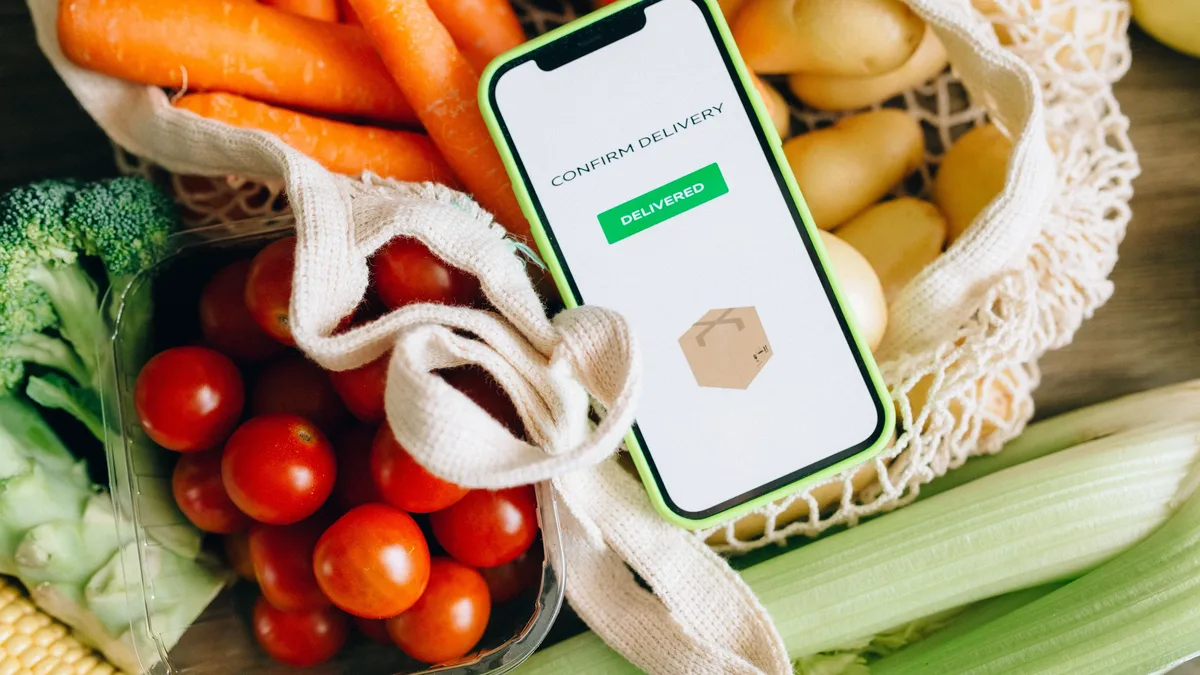
Quick Commerce
| Founded | 2015 |
|---|---|
| Headquarters | Berlin, Germany |
| Service Model | On-demand grocery delivery |
| Typical Delivery Time | Under 30 minutes |
| Product Range | Groceries and convenience items |
| Operating Countries | Multiple European nations |
| Typical Order Size | Small basket of essentials |
Overview
Quick commerce is a retail channel focused on the ultra-fast delivery of a limited range of essential and convenience goods. It operates as a distinct model from traditional e-commerce or standard grocery delivery, prioritizing speed over extensive selection. Orders are typically fulfilled from small, localized fulfillment centers known as dark stores, which are not open to the public. The core promise is the delivery of goods to the consumer within an hour, often in as little as ten to thirty minutes. This channel has emerged as a significant segment within the broader online retail landscape, particularly in dense urban areas. Chains competing in this space manage their own inventory, logistics, and last-mile delivery fleets to control the entire customer experience.
What to know
The operational model of quick commerce relies on a hyper-local network of dark stores strategically placed in neighborhoods to enable rapid delivery. These micro-fulfillment centers stock a curated inventory of roughly 1,000 to 3,000 stock-keeping units, heavily focused on groceries, snacks, ready-to-eat meals, and household essentials. Successful operation is only economically viable in areas with very high population density, which generates sufficient order volume to offset high real estate and labor costs. The business is characterized by thin unit economics, where delivery fees alone rarely cover the full cost of rapid picking, packing, and dispatch. Chains are therefore dependent on achieving high order frequency from a loyal customer base and often rely on promotional pricing or subscription models. Competition is intense, with chains differentiating through delivery time guarantees, product assortment quality, and app usability.
Common questions
A common question is how quick commerce differs from standard grocery delivery services, which offer broader selections but longer delivery windows often measured in days or scheduled slots. Customers also frequently inquire about the freshness and sourcing of perishable items like produce and dairy, given the small-scale storage in dark stores. Another regular concern involves the environmental impact of numerous small, frequent deliveries conducted by moped or scooter fleets. Many users question the sustainability of the business model, given the high operational costs and history of rapid cash burn among competing chains. Questions about product pricing are prevalent, as items often carry a markup compared to traditional supermarkets to help fund the speed premium. Customers also commonly seek clarity on the geographic boundaries of service zones, as coverage is intentionally limited to specific postal codes.
Pros and cons
A primary advantage is the unparalleled convenience for urgent, unplanned needs, effectively serving as an extension of one's pantry. The model also provides a competitive alternative to convenience stores, often with a wider selection and without the need to leave home. However, a significant drawback is the consistently higher item cost compared to larger retailers, making it an expensive habit for routine full grocery shops. The common mistake is using these services for large weekly shopping, which leads to surprisingly high bills; it is best suited for small, immediate purchases. Many consumers regret choosing quick commerce when they discover that the pursuit of speed can sometimes come at the expense of product quality, particularly with fresh items that may be near expiration. The model also faces operational fragility, where service reliability can quickly degrade during peak demand or adverse weather, leaving customers without expected essentials.
Who it suits
This channel best suits urban dwellers living in apartments within well-serviced zones who value time and convenience over cost for specific occasions. It is particularly useful for professionals with demanding schedules who may need ingredients for a last-minute meal or have forgotten a key household item. It also appeals to those without easy access to a car or a large supermarket within walking distance, effectively bridging a local gap. The service is a frequent choice for social gatherings where hosts need to quickly replenish snacks or beverages. It is less suited for budget-conscious shoppers, families doing large weekly grocery hauls, or individuals living in suburban or rural areas where the density cannot support the infrastructure. Ultimately, it serves as a tactical solution for immediate needs rather than a primary shopping destination for most consumers.
Latest Quick Commerce news
Latest reporting
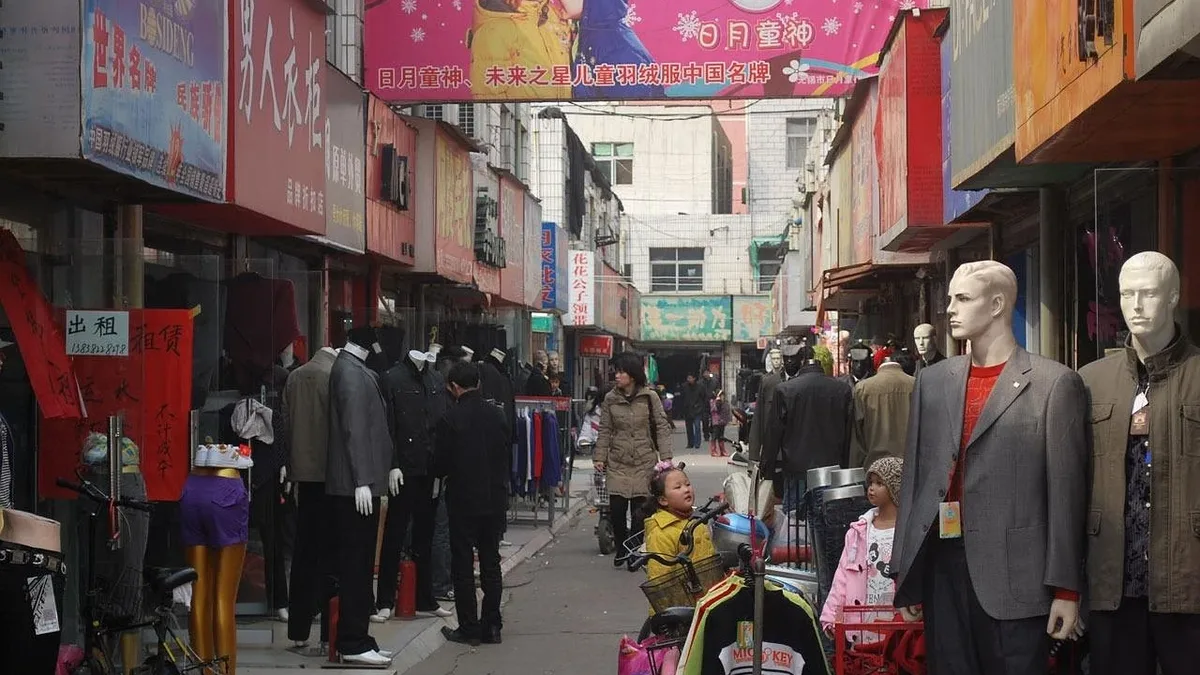
France imposes fast fashion levy on Shein
France has begun imposing a new per-item fee on ultra-fast fashion, targeting major Asian e-commerce platforms like Shein and Temu.
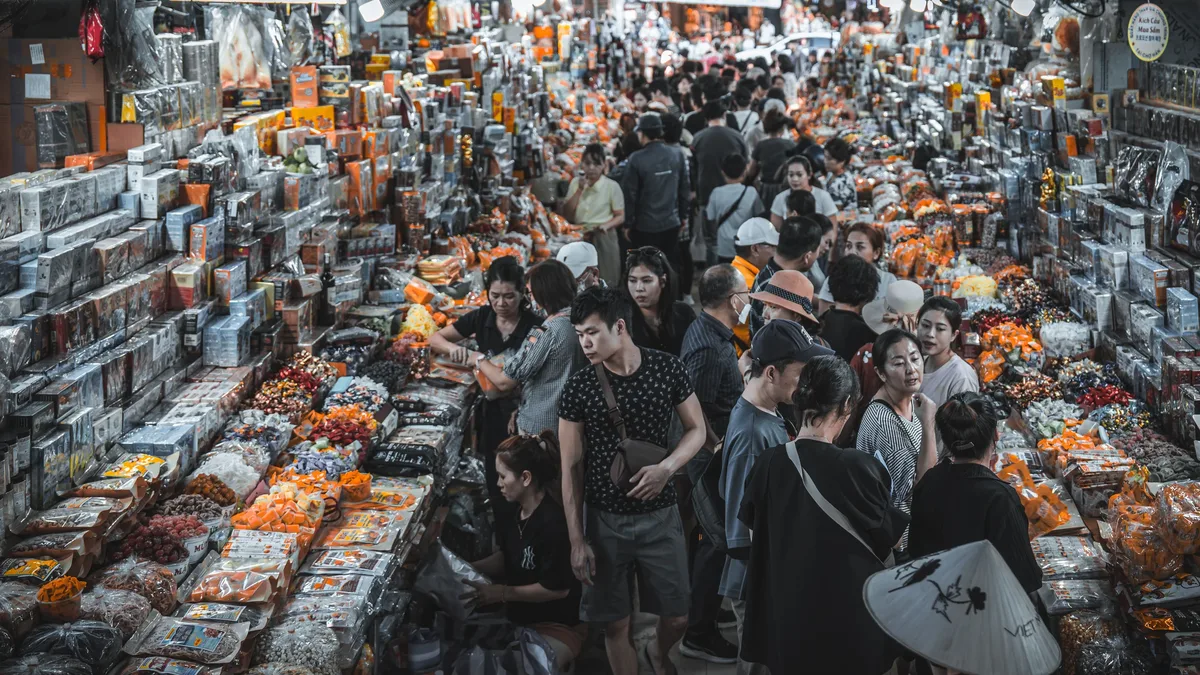
P&G Expands Tech Work in India
Procter & Gamble's CIO says India is a key talent pool and market offering global lessons, with quick-commerce forcing granular inventory decisions.

Amazon Seller Services Narrows FY26 Loss to Rs 390 Cr
Amazon Seller Services, the e-commerce arm of Amazon, has reported a net loss of Rs 389.9 crore in the financial year ended March 31, 2026, a...

Zepto IPO Delayed Amid Valuation Concerns, Raamdeo Agrawal Calls Plans Premature
Market veteran Raamdeo Agrawal has expressed concerns over Zepto's IPO plans, stating that the quick-commerce firm may have been premature in tapping...
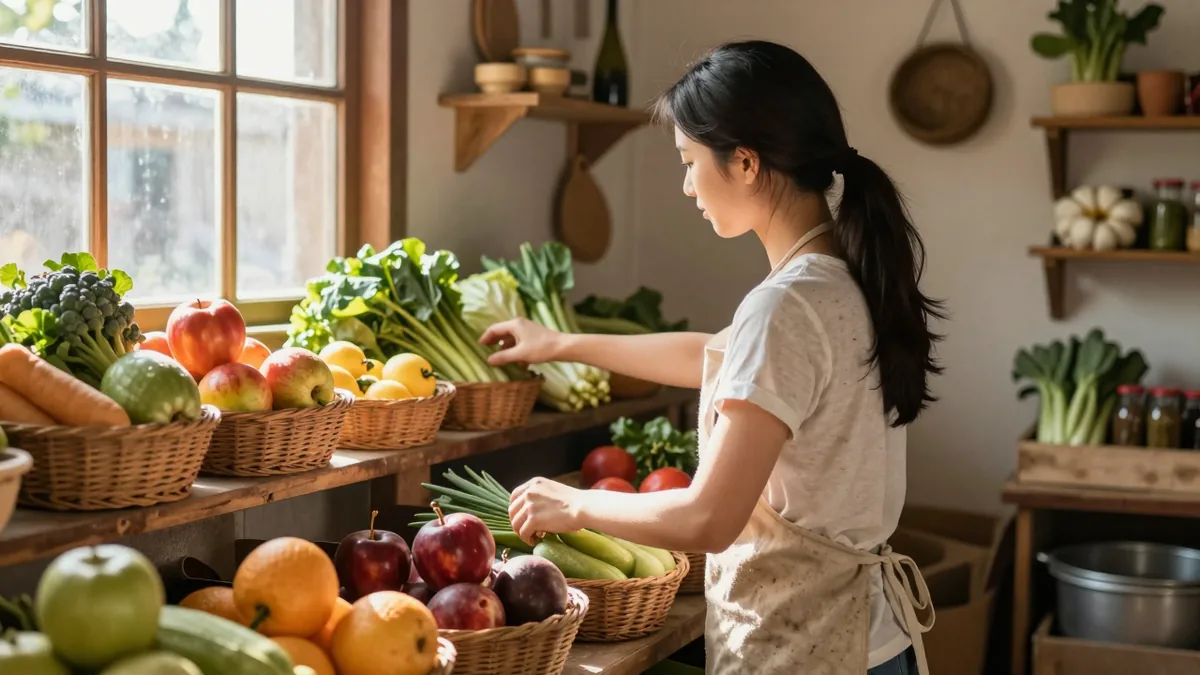
India's Online Grocery Market Shifts Beyond Urban Centers
A growing focus on value-oriented buyers from smaller towns is driving remarkable growth in online grocery sales, pointing to exciting possibilities...
Festive Season Hiring Expected to Generate Up to 2.7 Lakh Gig Jobs
Adecco India expects temporary and gig hiring for the 2026 festive season to grow 15-20% year-on-year, driven by demand from e-commerce, logistics...